College of Veterinary & Animal Sciences · Department
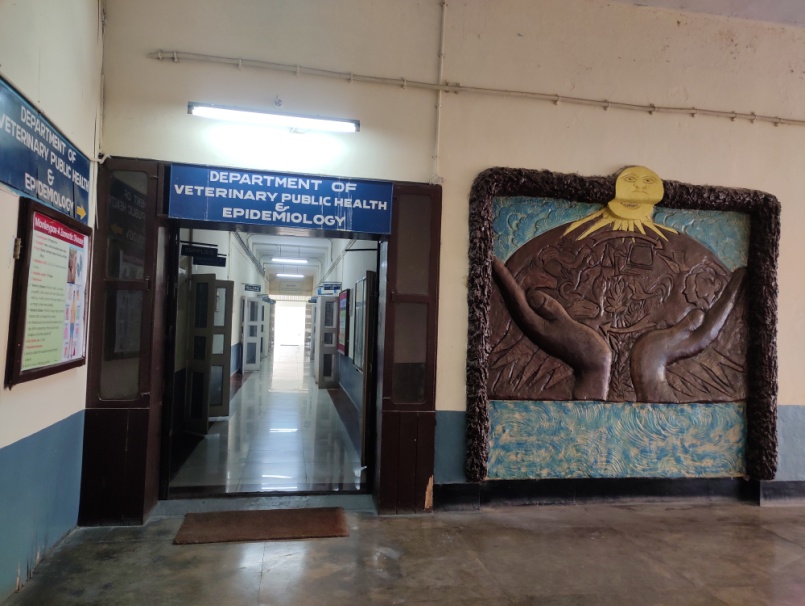
The Department of Veterinary Public Health was originally established as a constituent of the erstwhile Department of Veterinary Microbiology and Public Health in the College of Veterinary and Animal Sciences. In 1994, it was upgraded to an independent department. Subsequently, following the merger of the Epidemiology component of the former Department of Epidemiology and Preventive Medicine, the department was renamed as the Department of Veterinary Public Health and Epidemiology.
The Department is actively engaged in undergraduate and postgraduate teaching, research, extension, and capacity building in the areas of Veterinary Public Health, Epidemiology, Zoonoses, Food Safety, Milk and Meat Hygiene, Environmental Hygiene, and the One Health approach. It offers M.V.Sc. and Ph.D. degree programmes in Veterinary Public Health and Epidemiology, with emphasis on multidisciplinary research and professional excellence.
The Department has established strong expertise in research on zoonotic diseases, food safety, antimicrobial resistance (AMR), molecular epidemiology, and environmental health. Major research areas include sanitary quality assessment of food and water; diagnosis, epidemiology, and molecular characterization of zoonotic diseases such as Salmonellosis, Campylobacteriosis, Cysticercosis, Brucellosis, and Rabies; antimicrobial resistance surveillance; meat inspection; and the analysis of pesticide and veterinary drug residues in foods of animal origin.
In addition to its academic and research activities, the Department plays a vital role in community outreach and extension services by conducting farmer training programmes, capacity-building workshops for veterinarians and slaughterhouse personnel, public health awareness campaigns, and diagnostic support for the prevention and control of zoonotic diseases. Through its teaching, research, and outreach initiatives, the Department remains committed to safeguarding animal, human, and environmental health in accordance with the principles of One Health.

| Course No. | Course Title | Credit Hrs |
|---|---|---|
| U.G. Course | ||
| VPE 300 | Veterinary Public Health and Epidemiology | 3+1 |
| M.V.Sc. Courses | ||
| VPE 601 | Concepts in Veterinary Public Health and One Health* | 2+0 |
| VPE 602 | Zoonoses-I* | 2+1 |
| VPE 603 | Zoonoses-II* | 2+1 |
| VPE 604 | Principles of Epidemiology* | 2+1 |
| VPE 605 | Hygiene and Safety of Foods of Animal and Aquatic Origin* | 2+1 |
| VPE 606 | Food-borne Infections and Intoxications | 2+1 |
| VPE 607 | Food Safety Standards, and Regulations | 2+1 |
| VPE 608 | Environmental Hygiene and Safety | 2+1 |
| VPE 609 | Applied Epidemiology | 2+1 |
| VPE 610 | Biosecurity, Bioterrorism and Disaster Management | 2+0 |
| VPE 611 | Laboratory Techniques in Veterinary Public Health* | 0+3 |
| VPE 690 | Special Problem | 0+1 |
| VPE 691 | Master’s Seminar* | 0+1 |
| VPE 699 | Master’s Research | 30 |
| Ph.D. Courses | ||
| VPE 701 | Advances in Veterinary Public Health and Epidemiology* | 2+1 |
| VPE 702 | Emerging, Re-emerging Zoonoses and One Health* | 2+1 |
| VPE 703 | Advances in Food Safety and Quality Control of Foods of Animal/Aquatic Origin* | 2+1 |
| VPE 704 | Biosecurity and Occupational Health Safety | 2+1 |
| VPE 705 | Recent Concepts in Epidemiology and Disease Forecasting | 2+1 |
| VPE 706 | Risk Analysis and Predictive Modelling | 2+1 |
| VPE 707 | Advances in Environmental Hygiene | 2+1 |
| VPE 708 | Herd Health Management and Disease Economics | 2+1 |
| VPE 709 | Epidemiology of Trans-boundary, Non-infectious and Chronic Diseases | 2+1 |
| VPE 710 | Ecology and Animal/ Human Health | 2+0 |
| VPE 711 | Diagnostic Approaches in Epidemiology | 2+1 |
| VPE 712 | Surveys, Surveillance and Data Management | 2+1 |
| VPE 713 | Research Methodology and Publication Ethics in VPE* | 2+0 |
| VPE 790 | Special Problem | 0+1 |
| VPE 791 | Doctoral Seminar-I* | 0+1 |
| VPE 792 | Doctoral Seminar-II* | 0+1 |
| VPE 799 | Doctoral Research | 75 |
*Core courses
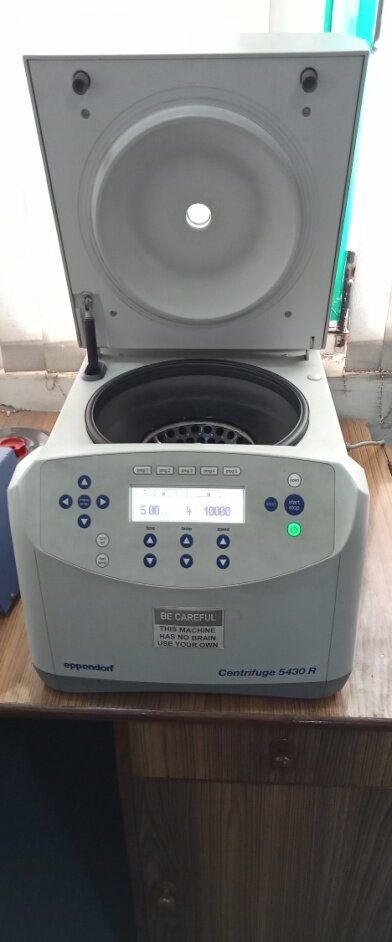
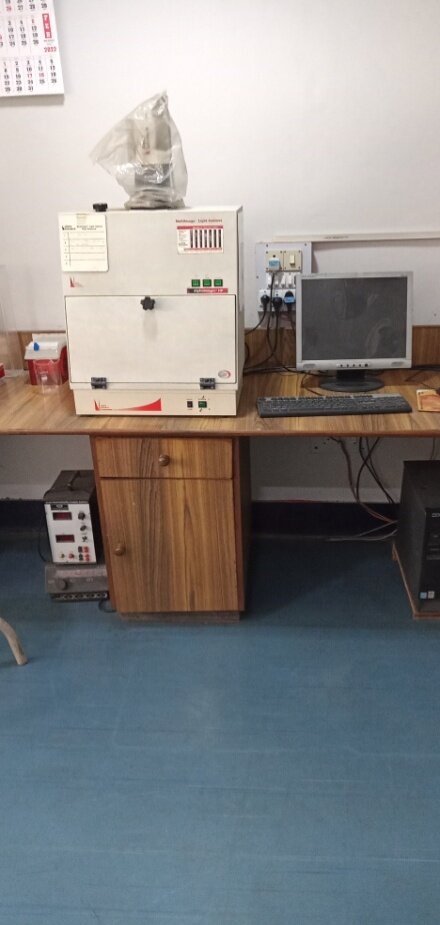
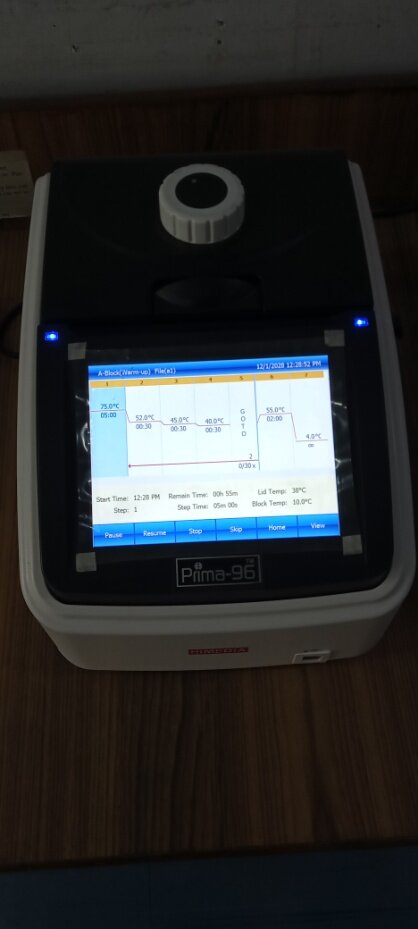
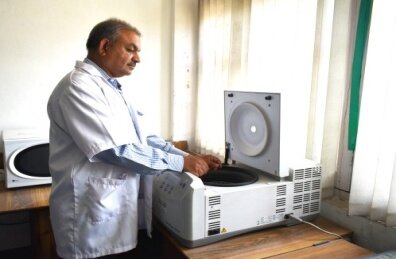
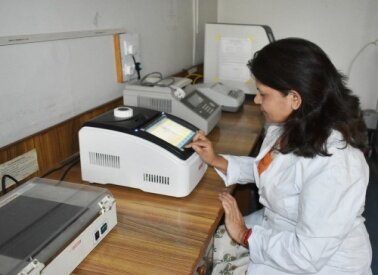
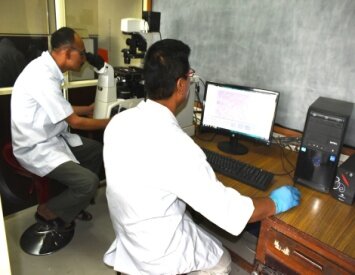
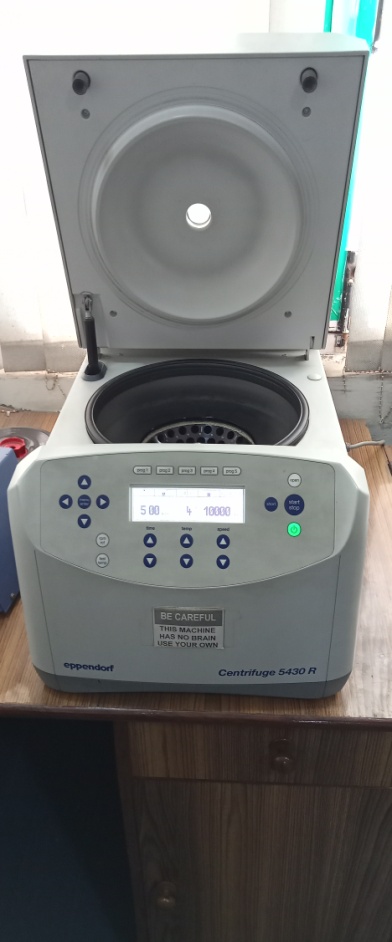
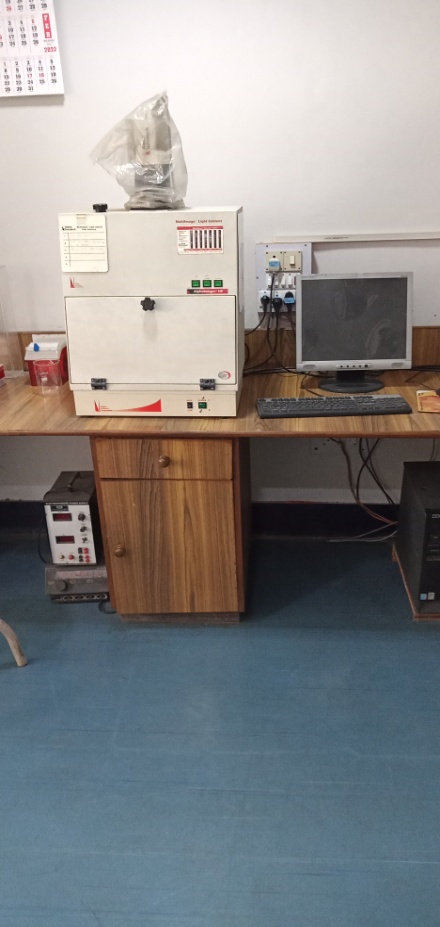
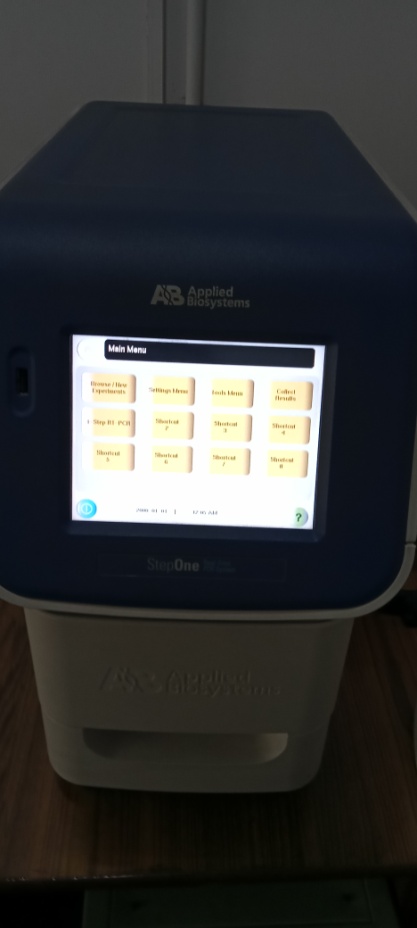
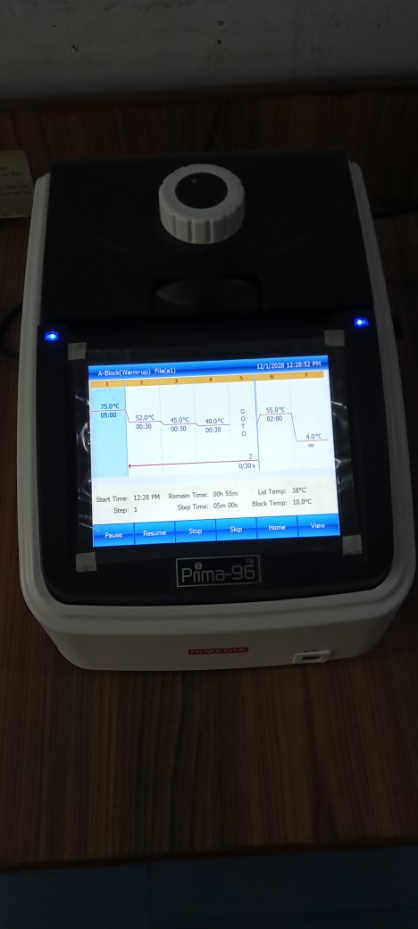
We have all required Undergraduate and Postgraduate research facilities like PCR, Real time PCR, HPLC, Gel Documentation System, Spectrophotometers, Inverted research microscope with dark field illumination, fluorescence and motorization, Incubator, Co2 incubators, Bio-safety cabinets, Autoclaves, Ovens, Gel electrophoresis units, ELISA readers with washers, Refrigerated centrifuges, BOD incubator and several refrigerators, Balances for different laboratories, Chromatography cabinet, CO2 Gas cylinders, Deep freezers, Thin layer chromatography, Rotary shaker.
1. Salmonellosis
A total of 12,210 samples from poultry, domestic animals, humans, and environmental sources in Uttarakhand and Uttar Pradesh were screened for Salmonella, of which 495 (4.05%) were positive. The predominant serotypes were S. Typhimurium (43.95%), S. Enteritidis (24.84%), and S. Kentucky (16.99%), followed by S. Virchow (3.92%), S. Infantis (2.94%), S. Pullorum (1.31%), and S. Weltevreden (0.65%). The highest prevalence among locations was recorded in Lalkuan (19.75%), followed by Pantnagar (15.60%), Rudrapur (10.87%), Haldwani (2.13%), and Kiccha (0.88%). Among hosts, poultry showed the highest prevalence (4.34%), followed by humans (3.98%), cattle (2.69%), goats (2.21%), and pigs (1.69%). In poultry, prevalence was highest in layers (5.72%), while in cattle and goats it was higher among adults. Young humans showed higher prevalence (4.69%) than adults (3.55%). In pigs, prevalence was 1.31% in piglets, 1.83% in adults, and 5.78% in pork. Among sample types, the highest occurrence was recorded in chicken meat (19.69%), followed by knife swabs (16.06%), drinking water (14.96%), utensils (14.46%), and poultry litter (14.17%). These findings highlight the widespread distribution of Salmonella and emphasize the need for integrated One Health surveillance, improved biosecurity, sanitation, and hygienic food handling practices.
2. Campylobacteriosis
A total of 10,966 poultry and environmental samples were collected from different locations of Uttarakhand, Uttar Pradesh, and other parts of India for the isolation of Campylobacter. Based on biochemical and molecular analysis, 814 samples were found positive, giving an overall prevalence of 7.42%. Among the isolates, two thermophilic species, C. jejuni (60%) and C. coli (40%), were identified, while C. lari and C. upsaliensis were not detected. Location-wise, the highest prevalence in poultry samples was recorded in Pantnagar (12.05%), followed by Haldwani (7.76%), Bareilly (7.32%), and other parts of India (3.64%). Among different food samples, the occurrence of Campylobacter was highest in poultry caeca (11.57%), followed by chicken meat (8.57%), chevon (7.60%), carabeef (1.36%), pork (0.78%), and fish meat (0.04%). Among excreta samples, positivity was recorded in poultry droppings (6.56%), cattle faeces (4.92%), calf faeces (5.00%), human stools (2.76%), and pig faeces (2.69%). In humans, age-wise analysis revealed a considerably higher prevalence among young individuals aged 0–15 years (9.76%) compared with adults (3.13%). Overall, the findings demonstrate the widespread occurrence of Campylobacter, particularly C. jejuni and C. coli, highlighting the importance of integrated One Health surveillance, hygienic food handling, and improved sanitation and biosecurity measures.
3. Brucellosis
Over the last three decades, the prevalence of brucellosis has shown an increasing trend, indicating its continuing importance as a major livestock and zoonotic disease. The disease was found to be more prevalent in organized farms compared with rural farming systems, suggesting that herd size, animal density, management practices, and movement of animals may influence disease transmission. Among the diagnostic methods evaluated, the Rose Bengal Test (RBT) and Enzyme-Linked Immunosorbent Assay (ELISA) were found to be efficient and useful for screening serum samples for brucellosis. A higher prevalence was observed among female animals, highlighting their particular epidemiological significance, especially because of the reproductive complications associated with the disease. In addition to surveillance and diagnosis, efforts are being directed towards developing improved preventive strategies. Brucella cell membrane proteins are being explored as potential vaccine candidates because of their ability to stimulate an immune response and their potential application in the development of safer and more effective vaccines. Overall, the findings emphasize the need for sustained surveillance, early diagnosis, improved farm-level biosecurity, reproductive health management, and effective vaccination strategies to reduce the burden of brucellosis in livestock and minimize its zoonotic risk to humans.
4. Cysticercosis
A comprehensive epidemiological survey of porcine cysticercosis was conducted across all 13 districts of Uttarakhand, encompassing diverse agro-climatic regions from the high hills to the Tarai. The overall prevalence was estimated at 2–3%, with the highest prevalence (3%) recorded in the Tarai region, representing a substantial decline compared to 12.99% overall prevalence and 18.61% prevalence in the Tarai during 2024–25. This significant reduction highlights the effectiveness of targeted surveillance, intervention, and disease control measures implemented under the All-India Network Programme on One Health Approach to Zoonotic Diseases (AINP-OHZD). In addition, an Indian isolate of Taeniasolium cyst recovered from a pig was successfully molecularly characterized using mitochondrial cytochrome c oxidase subunit 1 (cox-1) and 28S rDNA gene sequencing. Species-specific PCR amplicons exhibited approximately 99–100% sequence homology with reference T. solium sequences, confirming accurate molecular identification and providing robust genetic evidence for the circulating parasite strain in the region.
| Sr. No. | Year | Title of Thesis | Student | Advisor |
|---|---|---|---|---|
| 1 | 1967 | Sanitary analysis of water supply of Tarai region | D.C. Thapliyal | Dr. S.S. Ahluwalia |
| 2 | 1968 | Sanitary analysis of meat | V.N. Bachhil | Dr. S.S. Ahluwalia |
| 3 | 1969 | An epizootiological studies of contagious diseases of animals in military farms of India. | Major K. G. Rao | Dr. S.S. Ahluwalia |
| 4 | 1969 | Sanitary analysis of milk in Tarai region | Arun Kumar | Dr. D.S. Misra |
| 5 | 1970 | Physico-chemical and microbial studies of goat meat at different temperature & different intervals | PremShankerRai | Dr. M.S. Sethi |
| 6 | 1970 | Effect of tetracycline and mycostatin on microbial activity of goat meat at different temperature and at different intervals. | H.S. Naik | Dr. D.S. Misra |
| 7 | 1971 | Epidemiological studies on some helminthic zoonoses in Tarai | D.K. Ray | Dr. S.K. Nagi |
| 8 | 1971 | Studies on glycogen content and microflora of goat meat at different stages of handling and processing. | T.R.K. Murty | Dr. D.S. Misra |
| 9 | 1972 | Physico-chemical and immunological differences of meat of different species of animals. | P.K. Ram Das | Dr. D.S. Misra |
| 10 | 1972 | Studies on the effect of age, sex, season and live weight on the carcass yield and meat quality of goat. | V.S. Saxena | Dr. D.S. Misra |
| 11 | 1973 | A comparative study on various diagnostic tests of brucellosis. | L. Muaniappa | Dr. D.S. Misra |
| 12 | 1974 | Studies on esterases and other proteins of raw meat of different species of animals in relation of age and sex. | S.S. Prasad | Dr. D.S. Misra |
| 13 | 1974 | Studies on E. coli form animals and human sources in relation to public health. | N.N. Choudhary | Dr. V.B. Singh |
| 14 | 1975 | Microbiological and chemical studies on blood meat. | G.P. Patrgiri | Dr. A.K. Arora |
| 15 | 1975 | Physico-chemical studies on cooked and raw meats of different species of animals. | V.P. Kumar | Dr. D.S. Misra |
| 16 | 1975 | Studies on E. coli with particular reference to its enteropathogenicity. | P.N. Pandey | Dr.D.C. Thaplayal |
| 17 | 1976 | Sources of Salmonella in goat meat with special reference to the carrier. | B.P. Singh | Dr. A.K. Arora |
| 18 | 1976 | Studies on the heat stable enterotoxin of fish and meat borne E. coli. | Abdul Rashid | Dr. D.C. Thapliyal |
| 19 | 1976 | Studies on transferable and non-transferable drug resistance in Salmonella Weltevreden. | K. N. Upadhayay | Dr. D.S. Misra |
| 20 | 1977 | Salmonellae in meat animals | S.P. Singh | Dr. M.S. Sethi |
| 21 | 1980 | Studies on drug resistant and enterotoxigenic enterobacteria from poultry | A.M. Qureshi | Dr. Arun Kumar |
| 22 | 1982 | Isolation and enterotoxigenicity of Yersinia enterocolitica. | N.K. Verma | Dr. D.S. Misra |
| 23 | 1983 | Transferable drug resistance and enterobacteria isolated from foods. | A.K. Taku | Dr. Arun Kumar |
| 24 | 1984 | Transferable drug resistance and enteropathogenicity of enterobacteria of calf and human origin. | R.M. Dixit | Dr. Arun Kumar |
| 25 | 1984 | Isolation and characterization of Salmonella from buffalo | Suresh Kumar | Dr. D.C. Thapliyal |
| 26 | 1985 | Studies on carcass yield and mutton quality of sheep in different live weight groups. | Ajit Singh | Dr. Arun Kumar |
| 27 | 1989 | Yersinia enterocolitica some aspects of its virulence. | B.B. Kachroo | Dr. D.C. Thapliyal |
| 28 | 1989 | Bateriological analysis of milk, cream and burfi. | Yashbir Singh | Dr. Arun Kumar |
| 29 | 1993 | Studies on the cytotoxic preparation of salmonellae. | N.R. Burju | Dr. S.P. Singh |
| 30 | 1994 | Epidemiological studies on mastitis. | S.K. Shukla | Dr. V.P.Dixit |
| 31 | 1997 | Antibacterial effect of Lactobacillus acidophilus on common food poisoning bacteria in fermented milk. | R.K. Joshi | Dr. Arun Kumar |
| 32 | 1999 | Sero-epidemiology of brucellosis in animal and man in Tarai region | Maansi | Dr. D.C. Thapliyal |
| 33 | 2000 | Sero-epidemiology of Brucellosis in man and animals | R.K. Sharma | Dr. Arun Kumar |
| 34 | 2000 | Sanitary evaluation of buffalo meat and slaughter house environment | Arun Kr. Tewari | Dr. S.P. Singh |
| 35 | 2002 | Sero-epidemiology of animal and human Brucellosis | S.D. Thakur | Dr. D.C. Thapliyal |
| 36 | 2002 | Physico-Chemical and microbiological characteristics of water in Tarai and adjacent areas. | M. Saradhi | Dr V.P. Dixit |
| 37 | 2004 | Determination of tetracycline residues in milk | Richa Singh | Dr. D.C. Thapliyal |
| 38 | 2005 | Studies on the pesticide (Chlorpyrifos and Endosulphan) Residues in water, milk, and feed/fodder using high performance liquid chromatography | NagappaKarabasanavar | Dr. S.P. Singh |
| 39 | 2005 | Studies on the pesticide (Chlorpyrifos and Endosulphan) Residues in fish using high performance liquid chromatography | Brajmadhuri | Dr V.P. Dixit |
| 40 | 2005 | Rapid detection of salmonellae from poultry meat using PCR technique | Nripesh Prasad | Dr. S.P. Singh |
| 41 | 2005 | Studies on the status of pesticides (Chlorphyrifos and Endosulphan) residues in eggs using high performance liquid chromatography | Neeta Singh | Dr. S.P. Singh |
| 42 | 2005 | Characterization of thermostable muscle antigens and their use in immunological detection of species of meat | Ashraf Abdul Rahman | Dr V.P. Dixit |
| 43 | 2006 | Detection and quantification of chlorphyrifos and endosulphan residues in buffalo meat using high performance liquid chromatography | Pradeep Kumar Swamy | Dr. S.P. Singh |
| 44 | 2006 | Isolation of species specific proteins of Salmonella and its characterization | Kartikey Kumar Rai | Dr.S.P.Singh |
| 45 | 2007 | Identification of meats of different animal species using PCR based molecular techniques | Dharnesh M.G. | Dr. S.P.Singh |
| 46 | 2007 | Isolation and characterization of genus specific proteins of Salmonella. | Parul | Dr. S.P.Singh |
| 47 | 2007 | Species identification of heat exposed meat by PCR-RFLP based molecular technique | SatyabrataHalder | Dr. S.P.Singh |
| 48 | 2007 | Detection and Quantification of Chlorpyrifos and Endosulfan Residues in Dead Animal’s Using High Performance Liquid Chromatography | Amit Tyagi | Dr. V.P.Dixit |
| 49 | 2008 | Physico-Chemical and Microbiological Characteristics of Ganges Water from Gangotri (Uttarakhand) to Kanpur (Uttar Pradesh)” | Y.P.Singh | Dr. V.P.Dixit |
| 50 | 2008 | Coliphage Analysis in Ganges Water from Gangotri (Uttarakhand) to Kanpur (Uttar Pradesh) and its Utility in Water Quality Testing” | Rinku Narayan | Dr. V.P.Dixit |
| 51 | 2009 | Development of DNA Based Molecular Techniques for Identification of Meats of Different Food Animals Targeting Mitochondrial Genes | Deepak Kumar | Dr. S.P.Singh |
| 52 | 2009 | Prevalence of Salmonellae in Poultry and its Antibiogram | NidhiBisht | Dr. S.P.Singh |
| 53 | 2009 | Standardization of DNA based PCR technique for rapid detection of salmonellae | Madeshwari, P | Dr. S.P.Singh |
| 54 | 2010 | Isolation, PCR based Identification and fla typing of thermophilic campylobacters | Rajagunalan | Dr. S.P.Singh |
| 55 | 2010 | Isolation, identification and molecular characterization of salmonella serovars recovered from man and animals. | GarimaBisht | Dr. S.P.Singh |
| 56 | 2010 | Molecular characterization of E. coli isolates with particular reference to o157 and etc recovered from man and animals. | Sheetal Pant | Dr. S.P.Singh |
| 57 | 2010 | Molecular characterization of bacillus cereus isolates of food and human origin. | Anita Tewari | Dr. S.P.Singh |
| 58 | 2010 | Molecular characterization of shigella isolates and determination of its pathogenicity. | Abhishek Gaurav | Dr. S.P.Singh |
| 59 | 2011 | Molecular characterization of salmonella serovars isolated from humans, animals & poultry | DikshaRawat | Dr. S.P.Singh |
| 60 | 2011 | Isolation, identification & molecular characterization of campylobacter jejuni & c.coli | Kripali Pant | Dr. S.P.Singh |
| 61 | 2011 | Molecular characterization of campylobacter jejuni&c.coli isolated from humans, animals and poultry | HebaShaheen | Dr. S.P.Singh |
| 62 | 2011 | Isolation, identification of salmonella from farm animals, humans & poultry and their molecular characterization | ReetiTewari | Dr. S.P.Singh |
| 63 | 2012 | Detection and molecular typing of the structural genes of bovine and human rotavirus | Z. NongothungEzung | Dr. S.P. Singh |
| 64 | 2013 | Isolation and Molecular Characterization of Campylobacter jejuni and Campylobacter coli from Human and Poultry Caeca as well as Meat | Mr. Parsanna Kumar V | Dr. A.K. Upadhyay |
| 65 | 2014 | ISOLATION, EPIDEMIOLOGY, MOLECULAR CHARACTERIZATION AND ANTIBIOGRAM OF Salmonella FROM MEAT | KiranRawat | Dr. A.K. Upadhyay |
| 66 | 2014 | ISOLATION, EPIDEMIOLOGY, MOLECULAR CHARACTERIZATION AND ANTIBIOGRAM OF Campylobacter FROM MEAT | Monika Joshi | Dr. A.K. Upadhyay |
| 67 | 2014 | ISOLATION, EPIDEMIOLOGY, MOLECULAR CHARACTERIZATION AND ANTIBIOGRAM OF VEROCYTOTOXIC Escherichia coli (VTEC) FROM MEAT SAMPLES OF DIFFERENT FOOD ANIMALS | V.P.Singh | Dr. A.K. Upadhyay |
| 68 | 2014 | ISOLATION, EPIDEMIOLOGY, MOLECULAR CHARACTERIZATION AND ANTIBIOGRAM OF Listeria FROM FOOD ANIMALS AND IMMUNOCOMPROMISED HUMAN PATIENTS WITH SPECIAL REFERENCE TOWARDS Listeria monocytogenes | AbhinavVerma | Dr. A.K. Upadhyay |
| 69 | 2016 | “ISOLATION, IDENTIFICATION & MOLECULAR CHARACTERIZATION OF SALMONELLA SEROVARS FROM POULTRY AND DOMESTICATED ANIMALS” | Rahul Chauhan | Dr. S.P. Singh |
| 70 | 2016 | “ISOLATION AND MOLECULAR CHARACTERIZATION OF SALMONELLA FROM AN ORGANISED DAIRY FARM” | Shweta Pant | Dr. A.K. Upadhyay |
| 71 | 2016 | “MOLECULAR CHARACTERIZATION AND ANTIMICROBIAL SUSCEPTIBILITY OF THERMOPHILIC CAMPYLOBACTERS ISOLATED FROM HUMANS, FARM AND LABORATORY ANIMALS” | NeelamRawat | Dr. Maansi |
| 72 | 2016 | “Biochemical and Molecular Characterization of Thermophilic Campylobacters Isolated from Man and Farm Animals” | Rajshree Pandey | Dr. Maansi |
| 73 | 2017 | “STUDIES ON PREVALENCE, VIRULENCE GENES AND ANTIMICROBIAL RESISTANCE OF THERMOPHILIC CAMPYLOBACTERS ISOLATED FROM POULTRY FARMS OF KUMAON REGION” | Ms. GeetikaGarhia, | Dr. Maansi |
| 74 | 2018 | “Molecular Epidemiology of Antimicrobial Resistant Non-Typhoidal SALMONELLA isolated from retail chicken meat shops” | Ms. Jaishree Sharma | Dr. Deepak Kumar |
| 75 | 2018 | “EPIDEMIOLOGICAL STUDIES ON PHYSICAL, CHEMICAL, PSYCHOLOGICAL AND ZOONOTIC HAZARDS AMONG VETERINARIANS” | Dr.TanujaParmar | Dr. A.K. Upadhyay |
| 76 | 2018 | “ISOLATION, IDENTIFICATION AND ANTIMICROBIAL SUSCEPTIBILITY OF PUBLIC HEALTH SIGNIFICANT ORGANISMS PRESENT IN ORGANIC AGRICULTURAL FARMS OF UTTARAKHAND” | Ms. RichaRautela, Id. | Dr. Maansi |
| 77 | 2019 | “VIRULENCE CHARACTERIZATION AND ANTIMICROBIAL RESISTANCE AMONG NON-TYPHOIDAL SALMONELLA ISOLATES OBTAINED FROM COMMERCIAL BROILER FARMS” | Ms. SheebaHussain | Dr. Maansi |
| 78 | 2019 | “BURDEN ASSESSMENT AND CHARACTERIZATION OF THERMOPHILIC Campylobacter IN BROILER CHICKENS” | Mr. Dhayananth B. | Dr. A.K.Upadhyay |
| 79 | 2019 | “ISOLATION, CHARACTERIZATION AND PREVALENCE OF THERMOPHILIC CAMPYLOBACTERS IN POULTRY FARMS AND MEAT VENDORS USING NOVEL ENRICHMENT METHOD” | Mr. PiyushBisht | Dr. Ajay Kumar Upadhyay |
| 80 | 2019 | “MOLECULAR CHARACTERIZATION OF NON-TYPHOIDAL SALMONELLA SEROVARSISOLATED FROM COMMERCIAL BROILER FARMS AND RETAIL CHICKEN MEAT SHOPS WITH REFERENCE TO VIRULENCE AND ANTIMICROBIAL RESISTANCE” | Mr. Shubham Saini | Dr. Maansi |
| 81 | 2019 | “STUDIES ON NON-TYPHOIDAL SALMONELLA ISOLATES OBTAINED FROM INDIGENOUS AND EXOTIC LAYERS OF AN ORGANIZED POULTRY FARM” | Ms. AasthaNagpal | Dr. Maansi |
| 82 | 2020 | “MOLECULAR GENOTYPING OF MULTIDRUG-RESISTANT SALMONELLA TYPHIMURIUM ISOLATES USING REPETITIVE SEQUENCE-BASED PCR FINGERPRINTING TECHNIQUE” | Sivakumar V. | Dr. Maansi |
| 83 | 2020 | “Whole genome sequencing and bioinformatics of campylobacter isolated from animals” | Roma | Dr. Maansi |
| 84 | 2021 | “PREVALENCE AND CHARACTERIZATION OF NON-TYPHOIDAL SALMONELLA ISOLATES OBTAINED FROM RETAIL FISH MEAT SHOPS” | Sana parveen | Dr. Maansi |
| 85 | 2021 | “OCCURRENCE, QUANTIFICATION AND DETECTION OF COLISTIN RESISTANCE IN NON-TYPHOIDAL SALMONELLA AND THERMOPHILIC CAMPYLOBACTER SPECIES OBTAINED FROM SURFACE WATER BODIES OF UTTARAKHAND” | Iram Ansari | Dr. Maansi |
| 86 | 2021 | “OCCURRENCE, QUANTIFICATION AND DETECTION OF FLUOROQUINOLONE RESISTANCE IN NON-TYPHOIDAL SALMONELLA AND THERMOPHILIC CAMPYLOBACTER SPECIES OBTAINED FROM SURFACE WATER BODIES OF UTTARAKHAND” | Sanower | Dr. Maansi |
| 87 | 2022 | “ISOLATION, IDENTIFICATION AND MOLECULAR CHARACTERIZATION OF NON-TYPHOIDAL SALMONELLA AND LISTERIA SPECIES FROM FOODS OF ANIMAL ORIGIN ” | HarshitaGunjiyal | Dr. Maansi |
| 88 | 2022 | “EPIDEMIOLOGY AND MOLECULAR CHARACTERIZATION OF CYSTIC ECHINOCOCCOSIS IN CATTLE AND CYSTICERCOSIS IN PIGS” | Ayushipathak | Dr. Ajay Kumar Upadhyay |
| 89 | 2022 | “Epidemiological Studies on Rabies through Meta-Analysis” | Ram Swaroop Chauhan | Dr. Ajay Kumar Upadhyay |
| 90 | 2023 | “Whole Genome Sequencing of Non-typhoidal Salmonella isolates from Poultry and Environment” | Shakshi Thapliyal | Dr. Ajay Kumar Upadhyay |
| 91 | 2024 | “Comparative Molecular and Immunological Profiling of Hyperimmune Serum Generated Against Purified Vero Cell Rabies Vaccine in Experimental Rodents and Ruminants” | Shivangi Maurya | Dr. Ajay Kumar Upadhyay |
| 92 | 2024 | “Studies on Comparative Epidemiology and Modelling of Rabies in Delhi and Uttarakhand” | Atul Yadav | Dr. Maansi |
| S. No. | Year | Title of Thesis | Student | Advisor |
|---|---|---|---|---|
| 1 | 1972 | Incidence of Clostridium perfringens in meat animals and certain studies on Clostridium perfringens Type-A food poisoning. | H.S. Naik | Dr. D.S.Misra |
| 2 | 1978 | Studies on the enterotoxigenicity of Salmonella Weltevreden. | D.C. Thapliyal | Dr. I.P. Singh |
| 3 | 1979 | Studies on transferable and non-transferable drug resistance in Salmonella and E. coli. | Arun Kumar | Dr. D.S.Misra |
| 4 | 1980 | Studies on enterotoxigenicity and resistance pattern of E. coli and other enterobacteria isolated from calves. | Abdul Rashid | Dr. D.S. Misra |
| 5 | 1983 | Purification and characterization of Salmonella Saintpaul enterotoxin. | S.P. Singh | Dr. V.D. Sharma |
| 6 | 1985 | Effect garlic on certain characteristic of enterotoxigenic E. coli. | Abhay Kumar | Dr. D.S. Misra |
| 7 | 1991 | Virulence associated characteristics of Yersinia enterocolitica. | G.S. Saikia | Thapliyal |
| 8 | 2004 | Immunogenicity of major soluble antigens of Brucella abortus S-99 | R. K. Vaid | Thapliyal |
| 9 | 2005 | Immunogenicity induced by the soluble antigens derived from Cefotaxime treatment of Brucella abortus S-99 and Brucella melitensis B-115 | Maansi | Thapliyal |
| 10 | 2008 | “Molecular Identification of Animal Species Using Polymerase Chain Reaction Based Techniques” | NagappaKarabasanavar | Dr. S.P. Singh |
| 11 | 2010 | Detection of common mastitis pathogens in milk using multiplex polymerase chain reaction (mPCR) and their public health significance | Amit Tyagi | Dr. A.K. Upadhyay |
| 12 | 2011 | Molecular Cloning, Expression and In-silico Characterization of Immunogenic Omp28 Gene of Salmonella Typhimurium | Rajeev Kumar | Dr. S.P. Singh |
| 13 | 2012 | Isolation, identification and molecular characterization of salmonellae from man, animals and foods of animal origin with special reference to determination of virulence genes | Chandra Shekhar | Dr. S.P. Singh |
| 14 | 2016 | STUDIES ON VIRULENCE, ANTIMICROBIAL RESISTANCE AND GENETIC DIVERSITY OF SALMONELLA TYPHIMURIUM ISOLATES FROM NORTH INDIA | Prasanna Kumar V. | Dr. S.P. Singh |
| 15 | 2020 | “WHOLE GENOME SEQUENCING OF NONTYPHOIDAL SALMONELLA ISOLATES RECOVERED FROM HUMANS, SWINE AND ENVIRONMENT” | AnubhaPrashant Pathak | Dr. A.K. Upadhyay |
| 16 | 2021 | . “Study of Epidemiological Factors Associated with Covid-19 in India and Network Meta-Analysis of Therapeutics in treatment of Covid-19” | Pooja Singh | Dr. A.K. Upadhyay |
| 17 | 2021 | “In vitro and in vivo antimicrobial effects of Lactobacillus acidophilus and Lactobacillus plantarum against multidrug- resistant Salmonella Typhimurium” | Himani Sharma | Dr. Maansi |
| 18 | 2022 | “STUDIES ON ISOLATION, IDENTIFICATION AND EPIDEMIOLOGY OF THERMOPHILIC CAMPYLOBACTERSFROM WILD MAMMALS AND BIRDS” | Nawal Kishor Singh | Dr. A.K. Upadhyay |
| S. No. | Year | Title of Thesis | Student | Advisor |
|---|---|---|---|---|
| 1 | 2024-25 | Molecular and Epidemiological Investigations on Porcine Cysticercosis in Uttarakhand with Exploration of a Rapid Visual Detection Assay | Ishita Sati (PG) | Dr. Aman Kamboj. |
| Event Organized: | Title |
|---|---|
| World Veterinary Day every year on last Saturday of April- | As Shalihotra Jayanti |
| World Rabies Day -Every year on September 28 | Awareness programme on Rabies |
| National Symposium | One Health Initiative Of Foster Intersectoral Collaboration For Human And Animal Health |
| The Role of Veterinary Public Health in Improving Food Security & Safety ICAR/Private Agencies through One Health Approach Newer Approaches in Management of Canine Health and Rewarding Clinical Practices as well as Trade | |
| ICAR SPONSORED WINTER COURSE | Mitigation strategies to manage AMR and Zoonosis to ensure food safety”(Dec. 18, 2023 -07 Jan 2024) |