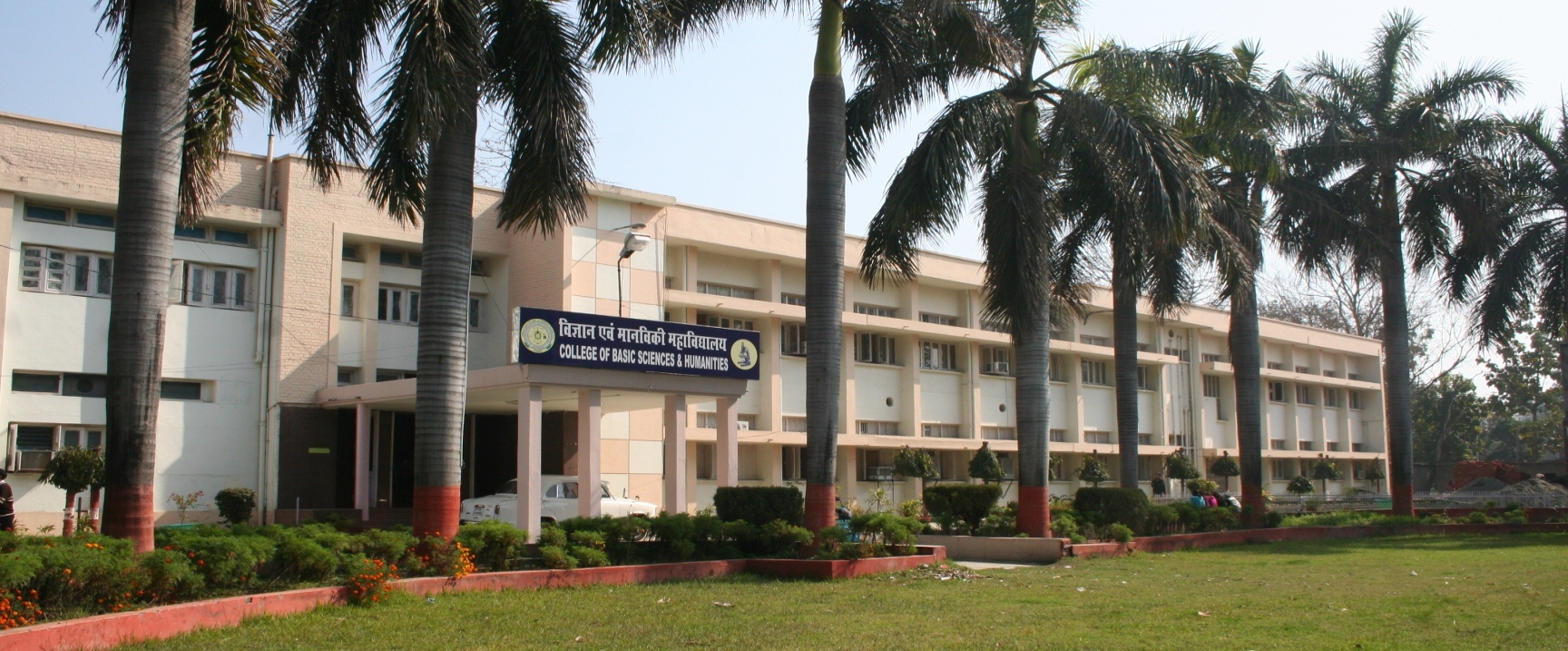
College of Basic Sciences & Humanities · Department
Plant Physiology
Established 1987 — M.Sc. and Ph.D. in Plant Physiology, with research in ion transport, photosynthesis, tissue culture and mango malformation.
Established 1987 — M.Sc. and Ph.D. in Plant Physiology, with research in ion transport, photosynthesis, tissue culture and mango malformation.
The Department of Plant Physiology at the Govind Ballabh Pant University of Agriculture and Technology, Pantnagar has been a pioneer in post-graduate education and research in Plant and Crop Physiology for more than five decades.
The M.Sc. and Ph.D. degree programmes in Plant Physiology started in 1974 and 1983, respectively. Professor R. C. Pant, the Founder Head of the Department, played a pivotal role in establishing the department’s academic infrastructure, including its dedicated laboratories, research facilities, and independent departmental wing. Dr. R. K. Gupta and Dr. V. S. Rathore, erstwhile faculty members of the department also taught courses and guided many post-graduate students of the department before they moved out of the department.
In the last five decades, the department has proudly produced more than 250 Ph.D. and M.Sc. students besides shaping the careers of many other post-graduate students who opted Plant Physiology as a minor course in their Ph.D. programmes. The department has consistently offered a comprehensive curriculum that combines the fundamental principles of Plant Physiology with their practical applications in agriculture. The earlier curriculum encompassed a wide range of subjects, including Plant Morphology and Anatomy, Whole Plant Physiology, Water Relations, Mineral Nutrition, Plant Growth and Development, Crop Physiology, Plant Tissue Culture, and Morphogenesis, providing students with a strong foundation in both basic and applied plant sciences. To promote interdisciplinary learning and broaden research perspectives, postgraduate students of the department are encouraged to opt for minor courses in allied disciplines such as Biochemistry, Molecular Biology and Biotechnology, Microbiology, Plant Breeding & Genetics, and Horticulture, depending on the nature and objectives of their research programmes. This interdisciplinary approach equips students with the knowledge and skills required to address emerging challenges in plant science and sustainable agriculture.
To keep pace with the evolving challenges and emerging advancements in agriculture and plant sciences, the department periodically updates its academic curriculum. In line with national educational standards, the department has adopted the ICAR-BSMA recommendations for Post-graduate Curriculum with effect from the 2022–23 academic session, ensuring that its programmes remain relevant, contemporary and aligned with the needs of agricultural research and higher education. The department currently offers M.Sc. / M.Sc. (Agri) and Ph.D. programmes in Plant Physiology. Besides, it also offers the undergraduate courses Fundamentals of Crop Physiology for the B.Sc. (Hons.) Agriculture degree programme for about 180–200 students and Plant Physiology for the B.Tech. (Biotechnology) programme for about 30–40 students.
| Course Code | Course Title | Programme |
|---|---|---|
| BPY-212 | Fundamentals of Crop Physiology | B.Sc. (Hons.) Agriculture |
| — | Plant Physiology | B.Tech. (Biotechnology) |
| Sl. No. | Course Code | Course Title | Credit Hours |
|---|---|---|---|
| 1 | BPY-614 | Principles of Plant Physiology-I: Plant Water Relations and Mineral Nutrition | 3(2-0-1) |
| 2 | BPY-615 | Principles of Plant Physiology-II: Metabolic Processes and Growth Regulation | 3(2-0-1) |
| 3 | BPY-616 | Plant Developmental Biology: Physiological and Molecular Basis | 3(2-0-1) |
| 4 | BPY-617 | Physiological and Molecular Responses of Plants to Abiotic Stresses | 3(2-0-1) |
| 5 | BPY-618 | Hormonal Regulation of Plant Growth and Development | 3(2-0-1) |
| 6 | BPY-619 | Physiological and Molecular Mechanisms of Mineral Nutrient Acquisition and their Functions | 3(2-0-1) |
| 7 | BPY-620 | Seed Physiology | 3(2-0-1) |
| 8 | BPY-687 | Master’s Special Problem | 1 or 2 |
| 9 | BPY-688 | Master’s Seminar | 1 |
| 10 | BPY-690 | Master’s Research | 30 |
| 11 | BPY-711 | Signal Perceptions and Transduction and Regulation of Physiological Processes | 2(2-0-0) |
| 12 | BPY-712 | Plant Phenomics-Next Generation Phenomics Platform | 2(2-0-0) |
| 13 | BPY-713 | Experimental Techniques to Characterize Plant Processes for Crop Improvement | 2(0-0-2) |
| 14 | BPY-714 | Global Climate Change and Crop Response | 2(2-0-0) |
| 15 | BPY-715 | Physiological and Molecular Aspects of Source-sink Capacity for Enhancing Yield | 3(3-0-0) |
| 16 | BPY-716 | Weed Biology and Physiology of Herbicide Action | 2(2-0-0) |
| 17 | BPY-787 | Doctoral Special Problem | 1 or 2 |
| 18 | BPY-788 | Doctoral Seminar I | 1 |
| 19 | BPY-789 | Doctoral Seminar II | 1 |
| 20 | BPY-790 | Doctoral Research | 75 |
| Course No. | Course Title | Credit Hours |
|---|---|---|
| MAJOR COURSES (20 Credits) | ||
| BPY-614 | Principles of Plant Physiology-I: Plant Water Relations and Mineral Nutrition | 3(2-0-1) |
| BPY-615 | Principles of Plant Physiology-II: Metabolic Processes and Growth Regulation | 3(2-0-1) |
| BPY-616 | Plant Developmental Biology: Physiological and Molecular Basis | 3(2-0-1) |
| BPY-617 | Physiological and Molecular Responses of Plants to Abiotic Stresses | 3(2-0-1) |
| BPY-618 | Hormonal Regulation of Plant Growth and Development | 3(2-0-1) |
| BPY-619 | Physiological and Molecular Mechanisms of Mineral Nutrient Acquisition and their Functions | 3(2-0-1) |
| BPY-620 | Seed Physiology | 3(2-0-1) |
| OPTIONAL / MINOR COURSES (08 Credits) | ||
| Will be taken from any department of the university related to the research problem | ||
| SUPPORTING COURSES (06 Credits) | ||
| BBC-501 | Basic Biochemistry | 3(3-0-0) |
| BPS-561 | Statistical Methods | 3(2-0-1) |
| COMMON COURSES (05 Credits) | ||
| BHS-611 | Library and Information Services | 1(0-0-1) |
| BHS-500 | Technical Writing and Communications Skills | 1(0-0-1) |
| AGP-518 | Intellectual Property and its Management | 1(0-0-1) |
| BPC-506 | Basic Concepts in Laboratory Techniques | 1(0-0-1) |
| BHS/AAC-502 | Research, Research Ethics and Rural Development Programmes | 1(0-0-1) |
| BPY-688 | Seminar | 1 |
| BPY-690 | Master’s Thesis Research | 30 |
| Total | 71 | |
| Course No. | Course Title | Credit Hours |
|---|---|---|
| MAJOR COURSES (13 Credits) | ||
| BPY-711 | Signal Perceptions, Transduction and Regulation of Physiological Processes | 2(2-0-0) |
| BPY-712 | Plant Phenomics-Next Generation Phenomics Platform | 2(2-0-0) |
| BPY-713 | Experimental Techniques to Characterize Plant Processes for Crop Improvement | 2(0-0-2) |
| BPY-714 | Global Climate Change and Crop Response | 2(2-0-0) |
| BPY-715 | Physiological and Molecular Aspects of Source-sink Capacity for Enhancing Yield | 3(3-0-0) |
| BPY-716 | Weed Biology and Physiology of Herbicide Action | 2(2-0-0) |
| SUPPORTING COURSES (06 Credits) | ||
| BHS-652 | Research Methodology-I | 1(1-0-0) |
| BPS-653 | Research Methodology-II | 3(2-0-1) |
| BHS-654 | Research and Publications Ethics | 2(1-0-1) |
| OPTIONAL / MINOR COURSES (06 Credits) | ||
| Will be taken from any department (other than major department) of the university related to the research problem | ||
| BPY-788 | Doctoral Seminar I | 1 |
| BPY-789 | Doctoral Seminar II | 1 |
| BPY-790 | Ph.D. Thesis Research | 75 |
| Total | 102 Credits | |
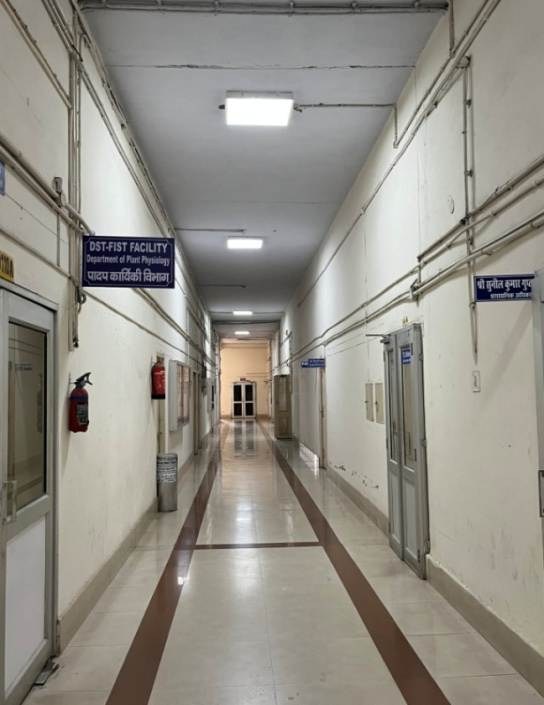
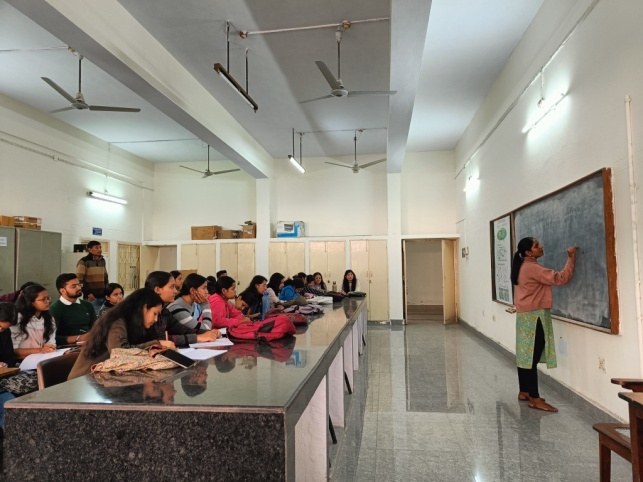
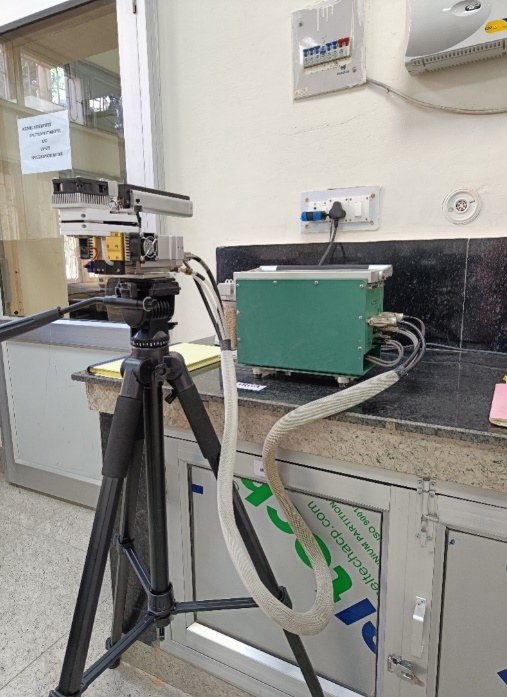
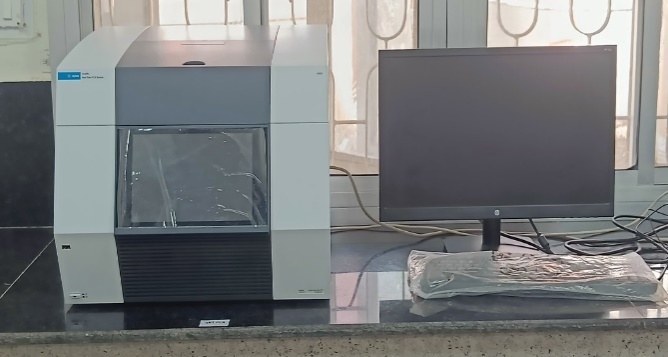
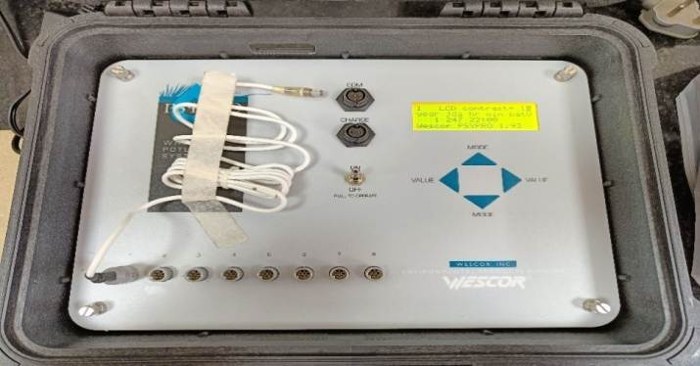
The Department of Plant Physiology is equipped with well-developed teaching and research infrastructure to support undergraduate and postgraduate teaching and research. The department has dedicated laboratories with modern facilities that provide practical exposure to the students in plant physiology, plant nutrition, plant tissue culture, stress physiology and other allied areas.
The department also has a pot culture facility and an experimental mango garden for conducting research.
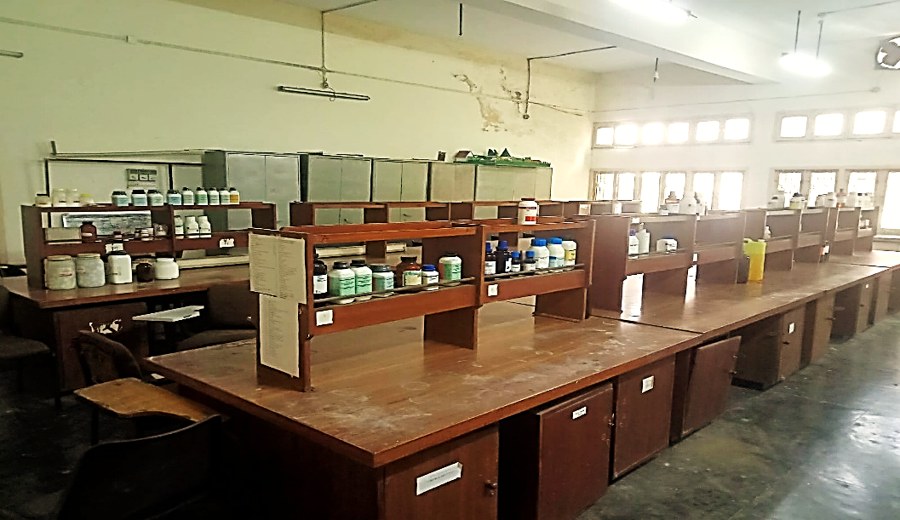
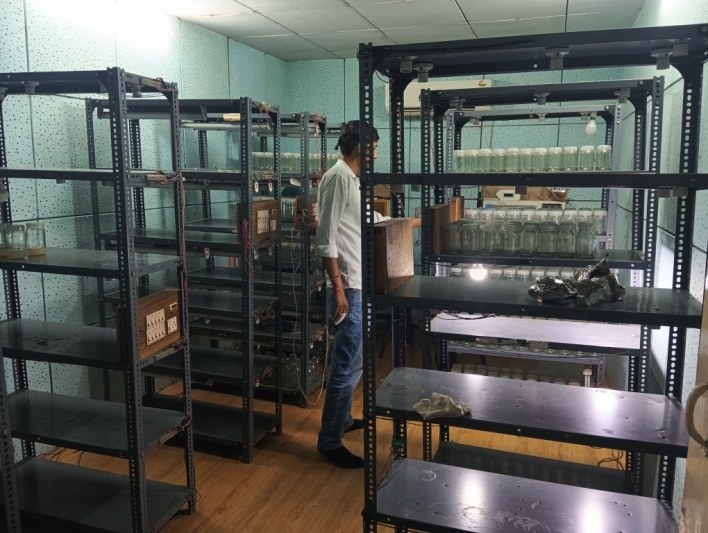
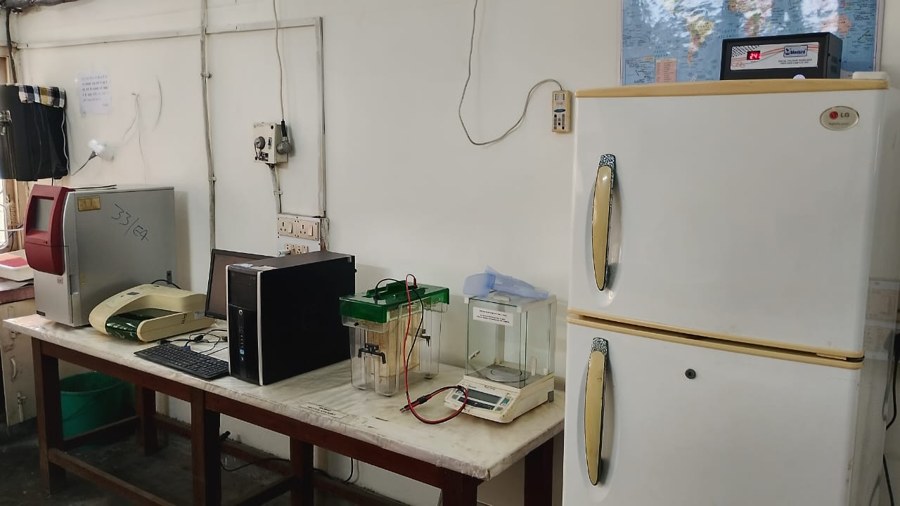
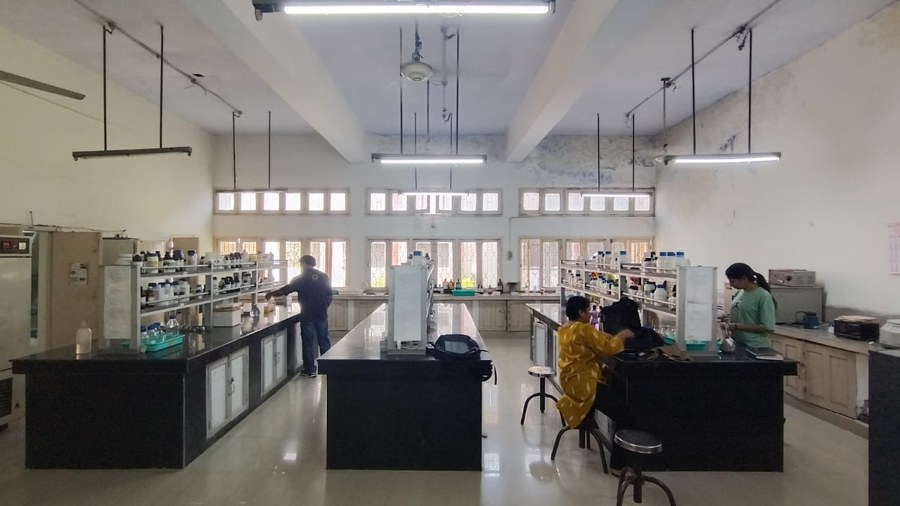
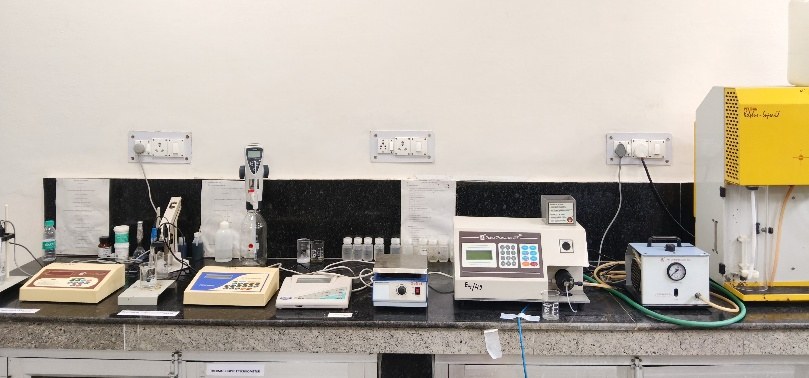
Atomic Absorption Spectrophotometer, High Performance Liquid Chromatography, Infra Red Gas Analyser, Laminar Flow, Plant Efficiency Analyser, SPAD meter, Leaf area meter, Oxygraph, Spectrophotometer, Electrophoresis Assembly, Weighing balance, Flame Photometer, Microtome, Micro Kjeldahl Assembly, pH meter, BOD Incubator, Deep Freezer (-20°C), Hot air Oven, Magnetic Stirrer, Distillation Unit, Thermal cycler, Gel Documentation Unit, ELISA reader, Refrigerated micro centrifuge.
The Department has been strengthened through support from the Department of Science and Technology (DST) under the Fund for Improvement of S&T Infrastructure (FIST) programme. This support has enabled the establishment of advanced research facilities and the procurement of modern scientific instruments for teaching and research. Major equipment procured under the DST–FIST programme: InfraRed Gas Analyzer (IRGA), RT-PCR and Thermocouple Psychrometer.
The Department of Plant Physiology organized its First Alumni Meet on 16 December 2023. The event witnessed the enthusiastic participation of more than 50 alumni representing different graduating batches since the Department’s inception. The meet was graced by Dr. Sanjay Kumar, Chairman, Agricultural Scientists Recruitment Board (ASRB), an eminent alumnus of the Department, as the Chief Guest. The gathering provided a valuable platform for alumni, faculty, and students to reconnect, share experiences, and exchange ideas. It also laid the foundation for a stronger alumni network, with meaningful alumni engagement, research collaborations, and contributing to the continued growth and advancement of their alma mater.
The department currently admits five to seven M.Sc. students and three to five Ph.D. students through the admission process of the university as well as through the All India competitive examination conducted by ICAR.