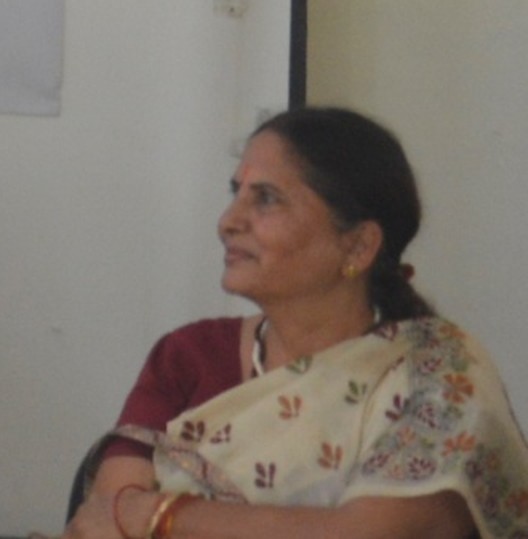
Microbiology
Dr. Lakshmi Tewari
Professor & Head
Research Areas and areas of interest
- Plant- Microbe Interaction
- Waste water treatment
- Green Biomass Based Bioethanol
Teaching Experience and Courses Taught
Teaching and Research Experience: 35 years
Courses taught:
- BBMN 121: Elementary Microbiology
- BBMN 122: Microbial Preservation Technology
- BBM 300: Introductory Microbiology
- BBM 500: General Microbiology
- BBM 601: Principles of Microbiology
- BBM 605: Soil Microbiology
- BBM 606: Microbial physiology and Metabolism
- BBM 608: Microbiological Techniques
- BBM 610: Application of Microbial Methods
- BBM 620: Food Microbiology
- BBM 645: Microbial Genetics
- BBM 700: Improvement in Fermentation Technology
- BBM 710: Research Techniques in Microbiology
- BBM 721: Current Topic in Soil Microbiology
- BBM 730: Advanced Microbial Physiology
- BBM 750 : Plant Microbe Interaction
Research Projects
| S.No. | Project title | Amount (Rs. In lack) | Duration | Funding agency |
|---|---|---|---|---|
| 1. | Evaluation of POLY4 application on soil health and microbial population and plant biomass of Chickpea/Fingermillets under net house conditions in Tarai region of Uttarakhand, India (P.I.) Bioefficacy project (Phase I) | 26.77 | 2022-2024 | M/s. Anglo American Crop Nutrients (India) Private Limited) |
| 2. | Evaluation of POLY4 application on soil health and microbial population and plant biomass of Chickpea/Fingermillets under field conditions in Tarai region of Uttarakhand, India (P.I.) Bioefficacy project (Phase II) | 19.47 | 2023-2025 | M/s. Anglo American Crop Nutrients (India) Private Limited) |
| 3. | Identification and characterization of high efficiency Cyanobacteria/Microalgae for biodiesel production. (P.I.) | 24.85 | 2010-2013. | LSRB, DRDO, Ministry of Defence, Govt. India. |
| 4. | In vitro screening and selection of sodic tolerant genotypes in multipurpose tree species (Co-P.I.) | 2.8 | 2002-2004 | UPCAR |
| 5. | Microbiological studies on vinegar production from sugarcane juice. (P.I. of the sub project) | Sub project | 2000-2004 | AICRP-PHT,ICAR |
| 6. | Development of Formulation, Mass production and delivery system of bio-control agent Trichoderma harzianum. (P.I.) | 14.12 | 2000-2003 | UPCAR |
| 7. | Mycorrhizal colonization of leguminous crop plants and tree species (P.I) | 0.5 | 1999-2000 | DES, GBPUA&T, Pantnagar |
Selected Research Papers
- Bisht, S., Yadav,R.R., Pant, D., Mishra, V., & Tewari, L. (2026). An integrated experimental and computational approach for mycoremediation of toxic Congo Red azo dye and its decolorization kinetic study. Bioresource technology reports, 102979.
- Pant, D., Bisht, S., Mishra, V., Kumar, D., Kumar, A., & Tewari, L. (2026). Predicting alkaline phosphatase in Trichoderma bio machinery as primary mechanism for sustainable gradual phosphate release in soil through statistical modelling supporting growth of Cicer arietinum. Microbiological Research, 128599.
- Sharma, B., & Tewari, L. (2026). Whole genome sequence analysis of novel strain of Trametes flavida WTFP2 to decipher in-vitro degradation potential of co-contamination of synthetic dyes and heavy metals. Journal of Hazardous Materials, 141193.
- Bisht, S., Pant, D., Mishra, V., Pandey, A., Rani, A., & Tewari, L. (2025). Integrated enzymatic and spectroscopic evaluation of Congo red dye decolorization by white rot fungal isolates. Journal of Advances in Biology & Biotechnology. 28(6), 771-786.
- Pant, D., and Tiwari, L.2025. In vitro phosphate solubilizing and phytostimulating potential of Rhizospheric Trichoderma from Hilly areas of Kumaun Region .Pantnagar Journal of research, 23(2):208-220.
- Tiwari, S., Sharma, B., Bisht, S., Pant, D., Kumar, S., & Tewari, L. (2024). An eco-friendly approach harnessing Trichoderma lixii ORT2 for reducing chemical phosphatic fertilizer dependency and groundwater phosphorus management through integrated in silico, in vitro and omic studies. Groundwater for Sustainable Development, 26, 101278.
- Sharma, B., Tiwari, S., Kumar, R., Kumar, M., & Tewari, L. (2023). Eco-friendly detoxification of hazardous Congo red dye using novel fungal strain Trametes flavida WTFP2: Deduced enzymatic biomineralization process through combinatorial in-silico and in-vitro studies. Journal of Hazardous Materials, 455, 131503.
- Sharma, B., Tiwari, S., Bisht, S., Bhrdwaj, A., Nayarisseri, A., & Tewari, L. (2023). Coupling effect of ionophore and oxidoreductases produced by halotolerant novel fungal strain Trametes flavida WTFP2 on dye wastewater treatment: An optimized green bioprocess. Journal of Environmental Chemical Engineering, 11(3), 109629.
- Dasila, H., Sah, V. K., Jaggi, V., Kumar, A., Tewari, L., Taj, G., ... & Sahgal, M. (2023). Cold-tolerant phosphate-solubilizing Pseudomonas strains promote wheat growth and yield by improving soil phosphorous (P) nutrition status. Frontiers in microbiology, 14, 1135693.
- Tiwari, S., Sharma, B., Bisht, N., & Tewari, L. (2023). Role of beneficial microbial gene pool in mitigating salt/nutrient stress of plants in saline soils through underground phytostimulating signalling molecules. Pedosphere, 33(1), 153-171.
- Bisht, N., Dalal, V., & Tewari, L. (2022). Molecular modeling and dynamics simulation of alcohol dehydrogenase enzyme from high efficacy cellulosic ethanol-producing yeast mutant strain Pichia kudriavzevii BGY1-γm. Journal of Biomolecular Structure and Dynamics, 40(22), 12022-12036.
- Bisht, N., Dalal, V., & Tewari, L. (2021). Molecular modeling and dynamics simulation of alcohol dehydrogenase enzyme from high efficacy cellulosic ethanol-producing yeast mutant strain Pichia kudriavzevii BGY1-γm. Journal of Biomolecular Structure and Dynamics, 1-15
- Sharma, D., Uniyal, S., & Tewari, L. (2021). Biocatalytic transesterification of algal oil employing a heterogenous methanol tolerant lipase enzyme aggregate from Bacillus mycoides strain CV18. Process Biochemistry, 111, 43-52.
- Sharma, B., Tiwari, S., Bisht, N., & Tewari, L. (2021). Eco-friendly bioprocess using agar plug immobilized Penicillium crustosum PWWS-6 biomass for treatment of wastewater contaminated with toxic Congo red dye for use in agriculture. Industrial Crops and Products, 170, 113755.
- Pandey, R. K., Chand, K., & Tewari, L. (2018). Solid state fermentation and crude cellulase based bioconversion of potential bamboo biomass to reducing sugar for bioenergy production. Journal of the Science of Food and Agriculture, 98(12), 4411-4419.
- Pandey, R. K., Tewari, S., & Tewari, L. (2018). Lignolytic mushroom Lenzites elegans WDP2: Laccase production, characterization, and bioremediation of synthetic dyes. Ecotoxicology and environmental safety, 158, 50-58.
- Saini, J. K., Saini, R., & Tewari, L. (2014). Lignocellulosic agriculture wastes as biomass feedstocks for second-generation bioethanol production: concepts and recent developments. 3 Biotech, 5(4), 337-353.
- Rawat, R., Kumbhar, B. K., & Tewari, L. (2013). Optimization of alkali pretreatment for bioconversion of poplar (Populus deltoides) biomass into fermentable sugars using response surface methodology. Industrial Crops and Products, 44, 220-226.
- Saini, J. K., Anurag, R. K., Arya, A., Kumbhar, B. K., & Tewari, L. (2013). Optimization of saccharification of sweet sorghum bagasse using response surface methodology. Industrial Crops and Products, 44, 211-219.
- Rawat, R., & Tewari, L. (2012). Purification and characterization of an acidothermophilic cellulase enzyme produced by Bacillus subtilis strain LFS3. Extremophiles, 16(4), 637-644.
Total Research Publications
- Citations: 3448
- h-index: 22
- i10-index: 32
- Total publications: 92
- Research and review papers: 72
- Book chapters: 11
- Popular article : 9
Research papers
- Bisht, S., Yadav,R.R., Pant, D., Mishra, V., & Tewari, L. (2026). An integrated experimental and computational approach for mycoremediation of toxic Congo Red azo dye and its decolorization kinetic study. Bioresource technology reports, 102979.
- Pant, D., Bisht, S., Mishra, V., Kumar, D., Kumar, A., & Tewari, L. (2026). Predicting alkaline phosphatase in Trichoderma bio machinery as primary mechanism for sustainable gradual phosphate release in soil through statistical modelling supporting growth of Cicer arietinum. Microbiological Research, 128599.
- Sharma, B., & Tewari, L. (2026). Whole genome sequence analysis of novel strain of Trametes flavida WTFP2 to decipher in-vitro degradation potential of co-contamination of synthetic dyes and heavy metals. Journal of Hazardous Materials, 141193.
- Mishra V., Bisht S., Pant D., Pandey A., and Tewari L., (2026) Exploration of endophytic bacterial isolates from Kasni leaves (Cichorium intybus) for Phyto-hormone and Phyto-stimulating metabolite production. Pantnagar journal of research (Accepted, In Press).
- Bharti, D., & Tewari, L. (2025). Isolation and Evaluation of Cellulase-producing Fungal Strains from the Himalayan Region of Uttarakhand, India. Journal of Advances in Biology & Biotechnology, 28(5), 618-625.
- Bisht, S., Pant, D., Mishra, V., Pandey, A., Rani, A., & Tewari, L. (2025). Integrated enzymatic and spectroscopic evaluation of Congo red dye decolorization by white rot fungal isolates. Journal of Advances in Biology & Biotechnology. 28(6), 771-786.
- Pant, D., and Tiwari, L.2025. In vitro phosphate solubilizing and phytostimulating potential of Rhizospheric Trichoderma from Hilly areas of Kumaun Region .Pantnagar Journal of research, 23(2):208-220.
- Tiwari, S., Sharma, B., Bisht, S., Pant, D., Kumar, S., & Tewari, L. (2024). An eco-friendly approach harnessing Trichoderma lixii ORT2 for reducing chemical phosphatic fertilizer dependency and groundwater phosphorus management through integrated in silico, in vitro and omic studies. Groundwater for Sustainable Development, 26, 101278.
- Tewari, S., Tewari, L., Kumar, A., Bisht, S., Kaushal, R., & Kumar, A. (2024). Germination behaviour of teak genotypes and effect of different treatments on seed germination characteristics in Himalayan Foothills, India. Indian forester, 244-254
- Sharma, B., Tiwari, S., Kumar, R., Kumar, M., & Tewari, L. (2023). Eco-friendly detoxification of hazardous Congo red dye using novel fungal strain Trametes flavida WTFP2: Deduced enzymatic biomineralization process through combinatorial in-silico and in-vitro studies. Journal of Hazardous Materials, 455, 131503.
- Sharma, B., Tiwari, S., Bisht, S., Bhrdwaj, A., Nayarisseri, A., & Tewari, L. (2023). Coupling effect of ionophore and oxidoreductases produced by halotolerant novel fungal strain Trametes flavida WTFP2 on dye wastewater treatment: An optimized green bioprocess. Journal of Environmental Chemical Engineering, 11(3), 109629.
- Dasila, H., Sah, V. K., Jaggi, V., Kumar, A., Tewari, L., Taj, G., ... & Sahgal, M. (2023). Cold-tolerant phosphate-solubilizing Pseudomonas strains promote wheat growth and yield by improving soil phosphorous (P) nutrition status. Frontiers in microbiology, 14, 1135693.
- Tiwari, S., Sharma, B., Bisht, N., & Tewari, L. (2023). Role of beneficial microbial gene pool in mitigating salt/nutrient stress of plants in saline soils through underground phytostimulating signalling molecules. Pedosphere, 33(1), 153-171.
- Bisht, N., Dalal, V., & Tewari, L. (2022). Molecular modeling and dynamics simulation of alcohol dehydrogenase enzyme from high efficacy cellulosic ethanol-producing yeast mutant strain Pichia kudriavzevii BGY1-γm. Journal of Biomolecular Structure and Dynamics, 40(22), 12022-12036.
- Parveen, H., Tewari, L., Pradhan, D., & Chaudhary, P. (2022). Comparative study of diverse pretreatment approaches to degrade lignin from Bambusa balcooa. BioResources, 17(4), 5578.
- Tewari, S. K., Tewari, L., Dubey, A., Kumar, A., Kumar, N., & Kaushal, R. (2022). Use of the RAPD marker to determine the genetic diversity of various Dalbergia sissoo Roxb.(Shisham) genotypes and their evolutionary relationship in Indian subcontinents. Vegetos, 35(3), 850-857.
- Bisht, N., Dalal, V., & Tewari, L. (2021). Molecular modeling and dynamics simulation of alcohol dehydrogenase enzyme from high efficacy cellulosic ethanol-producing yeast mutant strain Pichia kudriavzevii BGY1-γm. Journal of Biomolecular Structure and Dynamics, 1-15.
- Sharma, D., Uniyal, S., & Tewari, L. (2021). Biocatalytic transesterification of algal oil employing a heterogenous methanol tolerant lipase enzyme aggregate from Bacillus mycoides strain CV18. Process Biochemistry, 111, 43-52.
- Sharma, B., Tiwari, S., Bisht, N., & Tewari, L. (2021). Eco-friendly bioprocess using agar plug immobilized Penicillium crustosum PWWS-6 biomass for treatment of wastewater contaminated with toxic Congo red dye for use in agriculture. Industrial Crops and Products, 170, 113755.
- Tewari, S., Tewari, L., Kumar, A., & Kaushal, R. (2021). Performance of Glycine max L. varieties under Tectona grandis L. and Dalbergia sissoo Roxb. based agroforestry system. Indian Journal of Agroforestry, 23(1), 67-73.
- Tewari, L., Pradhan, D., & Chaudhary, P. (2021). Combined pretreatment as an effective technology in breaking of phenolic polymer lignin from sustainable biomass: Bambusa balcooa.
- Parveen, H., Bisht, N., & Tewari, L. (2020). Optimization and bioachemical characterization of thermo-alkalotolerant cellulase enzyme from Aspergillus terreus PPCF. Cellul. Chem. Technol, 54, 967-976.
- Neha Bisht, N. B., Heena Parveen, H. P., & Lakshmi Tewari, L. T. (2019). Batch fermentation of underutilized pear fruits using newly isolated stress tolerant ethanogenic yeast Pichia kudriavezeii BGY1.
- Bisht, N., & Tewari, L. (2019). Identification and characterization of high efficacy Thermotolerant yeast for bioethanol production from fruit waste. Biotech Today: An Int J Biol Sci, 9, 81-86.
- Parveen, H., & Tewari, L. (2018). Optimization of Fermentation Conditions for Enhanced β-Glucosidase Production from Cellulolytic Aspergillus terreus Strain PPCF using Agro-Residues. Environment and Ecology, 36(4), 911-921.
- Pandey, R. K., Chand, K., & Tewari, L. (2018). Solid state fermentation and crude cellulase based bioconversion of potential bamboo biomass to reducing sugar for bioenergy production. Journal of the Science of Food and Agriculture, 98(12), 4411-4419.
- Pandey, R. K., Tewari, S., & Tewari, L. (2018). Lignolytic mushroom Lenzites elegans WDP2: Laccase production, characterization, and bioremediation of synthetic dyes. Ecotoxicology and environmental safety, 158, 50-58.
- Pandey, R. K., Dubey, A., Tewari, L., Kumar, A., Kumar, D., Sharma, N., & Tewari, S. K. (2018). Performance of soybean under poplar based agroforestry system in Terai. Indian Journal of Agroforestry, 20(1), 31-34.
- Bisht, N., Sharma, B., Joshi, N., & Tewari, L. (2018). Role of microbial siderophore in Iron acquisition and amelioration of plant stress in saline soil. Biotech Today: An International Journal of Biological Sciences, 8(2), 7-15.
- Pandey, R. K., & Tewari, L. (2017). Fungal decolorization study of chemically synthesized malachite green and brilliant green textile dyes. IJCS, 5(6), 67-72.
- Khatoon, H., Solanki, P., Narayan, M., Tewari, L., Rai, J. P. N., & Hina Khatoon, C. (2017). Role of microbes in organic carbon decomposition and maintenance of soil ecosystem. International Journal of Chemical Studies, 5(6), 1648-1656.
- Solanki, P., Meena, S. S., Narayan, M., Khatoon, H., & Tewari, L. (2017). Denitrification process as an indicator of soil health. Int J Curr Microbiol App Sci, 6, 2645-2657.
- Pandey, R. K., Rana, B., Tewari, S., Sarkar, A., Dubey, A., Chandra, D., & Tewari, L. (2016). Exploration of plant‐biomass degrading fungi for in vitro mycoremediation of toxic synthetic dyes. Int J Curr Microbiol Appl Sci, 5, 581-592.
- Raj Kumar Pandey, Anjul Rana, Priyanka Sharma, Rajesh Kumar Pathak, Meenakshi Rana, and Lakshmi Tewari. (2016). Thriving at High Temperatures: Molecular Adaptations in Hyperthermophic Microorganisms. Int.J.Curr.Res.Aca.Rev.2016; 4(8): 45-51. (NAAS rating 2.78).
- Pandey, R. K., & Tewari, L. (2015). Microbial enzymes involved in starch processing industries. Scholarly J. Biol. Sci, 4(1), 1-3.
- Utobo, E. B., & Tewari, L. (2015). Assesment of aboveground biomass stock in the Pachaimalai forest of Eastern Ghats in India. Appl. Ecol. Environ. Res, 13, 85-97.
- Swargadeep Saikia, S. S., Pandey, R. K., & Lakshmi Tewari, L. T. (2015). Phosphate solubilising potential of fungal isolates from bamboo rhizosphere. International Journal of Basic and Applied Agricultural Research. 13 (3), Sept – Dec: 492-496. . (NAAS rating 4.60).
- Saini, J. K., Saini, R., & Tewari, L. (2014). Lignocellulosic agriculture wastes as biomass feedstocks for second-generation bioethanol production: concepts and recent developments. 3 Biotech, 5(4), 337-353.
- Sharma, D., Kumbhar, B. K., Verma, A. K., & Tewari, L. (2014). Optimization of critical growth parameters for enhancing extracellular lipase production by alkalophilic Bacillus sp. Biocatalysis and Agricultural Biotechnology, 3(4), 205-211.
- Utobo, E.B. and Tewari, L. (2014). Soil enzymes as indicators of soil ecosystem status. Applied Ecology and Environmental Research.13I(1):147-169. (Impact factor- 0.740 )
- Anwesa Sarkar, J P Pandey, Anupama Singh, Lakshmi Tewari, Anil Kumar. (2014) Potential use of Algae- A Review. Journal of Engineering and Technology Research.2 (5):57-68.
- Tewari, S., Kaushal, R., Tewari, L., & Banik, R. L. (2014). Genotypic x environmental interaction in bamboo species in pan India: results from multi-location trial. International Journal of Innovative Horticulture, 3(1), 71-77.
- Tewari, S., Kaushal, R., Banik, R. L., Tewari, L., & Chaturvedi, S. (2014). Evaluation of Bamboo species in India: Results from a multi-location trial. Indian Journal of Agroforestry, 16(1), 68-73.
- Rawat, R., Kumbhar, B. K., & Tewari, L. (2013). Optimization of alkali pretreatment for bioconversion of poplar (Populus deltoides) biomass into fermentable sugars using response surface methodology. Industrial Crops and Products, 44, 220-226.
- Suyal, D. C., & Tewari, L. (2013). In vitro degradation of natural animal feed substrates by intracellular phytase producing Shiwalik Himalayan budding yeasts. Afr. J. Microbio. Res, 7, 5374-5383.
- Deep Chandra Suyal and Lakshmi Tewari. (2013). PHYTASE AND ITS APPLICATIONS. International Journal of Current Research. 5(10): 3042-3043.
- Saini, J. K., Anurag, R. K., Arya, A., Kumbhar, B. K., & Tewari, L. (2013). Optimization of saccharification of sweet sorghum bagasse using response surface methodology. Industrial Crops and Products, 44, 211-219.
- Rawat, R., & Tewari, L. (2012). Purification and characterization of an acidothermophilic cellulase enzyme produced by Bacillus subtilis strain LFS3. Extremophiles, 16(4), 637-644.
- Reena Joshi, R. J., Tewari, S. K., Kaushal, R., & Tewari, L. (2012). Rooting behaviour of Bambusa balcooa Roxb. in relation to season, age and growing conditions. Indian Foresters,138(1).
- Saini, J. K., Arti, A., & Lakshmi Tewari, L. T. (2012). Simultaneous isolation and screening of cellulolytic bacteria: selection of efficient medium.
- Rawat, R., & Tewari, L. (2011). Effect of abiotic stress on phosphate solubilization by biocontrol fungus Trichoderma sp. Current microbiology, 62(5), 1521-1526.
- Rawat, R., & Tewari, L. (2010). Transmission electron microscopic study of the cytological changes in Sclerotium rolfsii parasitized by a biocontrol fungus Trichoderma sp. Mycology, 1(4), 237-241.
- Rajesh Kaushal, L.S. Jeena, S. Chaturvedi, L. Tewari and S.K.Tewari. (2010). Vegetative propagation of Adina cordifolia (Roxb.) hook, F. Ex Brandis, The Indian Foresters. 136: 1693-1698. (Impact factor 4.244, NAAS rating 10.15).
- Kapri, A., & Tewari, L. (2010). Phosphate solubilization potential and phosphatase activity of rhizospheric Trichoderma spp. Brazilian Journal of Microbiology, 41(3), 787-795.
- Rajesh Kaushal, R. K., Jeena, L. S., Chaturvedi, S., Tewari, L., & Tewari, S. K. (2010). Vegetative propagation of Adina cordifolia (Roxb.) Hook. f. ex Brandis.
- Gupta, N., Dubey, A., & Tewari, L. (2009). High efficiency alcohol tolerant Saccharomyces isolates of Phoenix dactylifera for bioconversion of sugarcane juice into bioethanol. Journal of scientific and Industrial Research, 68(5), 401.
- Nidhi Gupta, A.K.Verma, Ashutosh Dubey and Lakshmi Tewari. (2009). Comparative evaluation of microbial isolates of Phoenix dactylifera for alcohol tolerance and bio-ethanol production from sugar cane juice. In. Proceedings of National Conference on Engineering for food and Bio-Processing, at GBPUA&T, Pantnagar on Feb. 27 – March 1, 2009.p.180-186.
- Singh, S., Dubey, A., Tiwari, L., & Verma, A. K. (2009). Microbial profile of stored jaggery: a traditional Indian sweetener. Sugar Tech, 11(2), 213-216.
- Tewari, L., Bhanu, C., & Saikia, S. (2006). Effect of fortification of grains of cereals with chickpea flour on sporulation and mass multiplication of Trichoderma harzianum.
- SINGH, R., & TEWARI, L. (2005). Biological control of sheath blight of rice by Trichoderma harzianum using different delivery systems.
- Tewari, L., & Bhanu, C. (2004). Evaluation of agro-industrial wastes for conidia based inoculum production of bio-control agent: Trichoderma harzianum. J. Sci. Ind. Res, 63(10), 807-812.
- Thamodharan, V., Tewari, L., & Bajpai, G. C. (2004). Genotype x phosphate solubilizing bacteria interaction in pigeonpea [Cajanus cajan (L.) Millsp.]. The Indian Journal of Genetics and Plant Breeding, 64(3), 241-242.
- Lakshmi Tewari, Chandra Bhanu and Chaube, H.S. (2004). Evaluation of substrates for mass multiplication of Trichoderma harzianum – a potent bio-control agent. Pantnagar Journal of Research 2(1) : 57-60. (NAAS rating 4.6).
- Tewari, L. A. K. S. H. M. I., & Bhanu, C. (2003). Screening of various substrates for sporulation and mass multiplication of bio-control agent Trichoderma harzianum through solid state fermentation. Indian Phytopathology, 56(4), 476-478.
- Thamodharan, V., Lakshmi Tewari, L. T., & Bajpai, G. C. (2003). Identification of phosphorus-efficient pigeon pea genotypes based on phosphate-solubilizing bacteria in the rhizosphere.
- Tewari, L., & Malviya, P. (2002). Biodegradation of catechol by fluorescent Pseudomonas for sustainable environment. JOURNAL OF SCIENTIFIC AND INDUSTRIAL RESEARCH, 61(1), 70-74.
- TEWARI, L. (2002). Removal of the flatulence factors (alpha-galactooligosaccharides) from chickpea (Cicer arietinum) by germination and mold fermentation. Journal of food science and technology (Mysore), 39(5), 458-462.
- Tewari, L., & Bhanu, C. (2002). Evaluation of agro industrial wastes for mass production of Trichoderma harzianum—a biofungicide for sustainable agriculture. Journal of Mycology and Plant Pathology, 32(1), 138-139.
- Tewari Lakshmi. 2001. Influence of Traditional and experimental processing on galactooligosaccharide level of chickpea (Cicer arietinum). In: Proceedings of National seminar on Emerging trends in processing, handling, storage and by - products utilization of pulses and soybean. Held at GBPUAT. Jan. 18-19, 2001, Pantnagar.pp.66-72
- Tewari, L., Johri, B. N., & Tandon, S. M. (1993). Host genotype dependency and growth enhancing ability of VA-mycorrhizal fungi for Eleusine coracana (finger millet). World Journal of Microbiology and Biotechnology, 9(2), 191-195.
- Tewari, Salil K., Tewari Lakshmi, Lavania, S. and Garg, A.K . 1993. Callus induction from different explants of Dalbergia sissoo. J. Tree Sci.12: 155-156. (NAAS rating 3.51 ).
Book chapters
- 1.Ahmad, I., Suman, K., Sharma, B., Tewari, L., & Abulreesh, H. H. (2024). Deriving microbial community fingerprints from environmental samples using advanced molecular fingerprinting techniques. In Microbial diversity in the genomic era (pp. 133-145). Academic Press.
- Pandey, R. K., & Tewari, L. (2018). Mycotechnology for lignocellulosic bioethanol production: An emerging approach to sustainable environment. In Microbial Biotechnology in Environmental Monitoring and Cleanup (pp. 28-43). IGI Global Scientific Publishing.
- Tewari, L., Pandey, R. K., Sharma, R. S., Kumar, N., & Tewari, S. K. (2017). Phytostimulating mechanisms and bioactive molecules of Trichoderma species: current status and future prospects. Microorganisms for Green Revolution: Volume 1: Microbes for Sustainable Crop Production, 189-214.
- Salil Tewari, Rajesh Kaushal, Lakshmi Tewari and R.L.Banik. (2014). Bamboos for Landscape, Resource Conservation and Livelihood Security. In. Shodh Chintan 6: 333-339.
- Lakshmi Tewari, Jitendra Saini and Arti. 2012. Bioremediation of Pesticides by Microorganisms: General Aspects and Recent Advances. In. Bioremediation of Pollutants. Eds: D.K.Maheshwary and R.C. Dubey. I.K.International Publishing House Pvt. Ltd.,India .pp: 24-49.
- Lakshmi Tewari, Bipin Chandra and Jitendra Saini. 2012. Biological Control of Fungal Phytopathogens by Trichoderma sp.: Mechanisms of Action . In. Microbes: Diversity and Biotechnology, Eds: S. C. Sati and M. Belwal. Daya Publishing House, New Delhi: pp 99-118..
- Lakshmi Tewari, Rekha, Ruby and Bipin Chandra. 2012. Mass multiplication and development of formulations of the biocontrol agent: Trichoderma sp. In. Microbes: Diversity and Biotechnology, Eds: S. C. Sati and M. Belwal. Daya Publishing House, New Delhi: pp 159-176.
- Lakshmi Tewari and Jitendra Saini. 2009. Trichoderma: Padap Udpadakata badhane wala eak prabhawashali jaiv niyantrak (in Hindi). In: Padap vridhi niyantrak: kya, kyuon aur kaisey? Eds : Anil Kumar, Ranjan Srivastava, B.R. Singh, G.B. Pant University of Agriculture and Technology, Pantnagar, Uttarakhand, pp 198-216.
- Awasthi, P. and Tewari, L. 2008. Utilizing bamboo shoots as a viable food option. In : Souvenir of international Conference on improvement of bamboo productivity and marketing for sustainable livelihood, 15-17 April, 2008, New Delhi, organized by National Bamboo Mission, Department of Agriculture and Cooperation, Ministry of Agriculture, Government of India.
- Lakshmi Tewari, Salil K. Tewari and Rajesh Kaushal. 2008. Role of Mycorrhizal Association in Growth of Forest Trees. In: The Mycorrhizae-Diversity, Ecology and Applications Edtiors M.K.Tewari and S.C.Sati, Daya Publishing House, Delhi, India, pp232-251.
- Lakshmi Tewari. 2006. Development of formulation, mass production and delivery system of biocontrol agent Trichoderma harzianum In: Salient Achievements of CARP projects. Eds- Chandrika Prasad and Rajvir Singh Rathore. Published by UPCAR, Lucknow. p.27-29.
Lab Manuals
- 1. Lakshmi Tewari (2002). Introductory microbiology: A Laboratory Manual (BBM-300) Department of Microbiology, College of Basic Sciences and Humanities, G.B.P.U.A&T, Pantnagar, Gaurav associates, Meerut, pp.1-63.
- 2. Lakshmi Tewari (2021). Introductory microbiology: A Laboratory Manual (BBM-300); Second revised edition. Published by Department of Microbiology, College of Basic Sciences and Humanities, G.B.P.U.A&T, Pantnagar, pp.1-62.
Popular Articles
- Arti, Rekha Rawat, B.K. Kumbhar and Lakshmi Tewari. 2013. Sweet sorghum as a promising agricultural crop for biofuel production. Indian Farmers’ Digest. 46. (04) : 22-24.
- Gaurav singh Kaira, Rekha Rawat, Ranjana Joshi and Lakshmi Tewari. 2012. Biodiesel : Perfect alternative for fossil fuel. Indian Farmers’ Digest.
- Nidhi Gupta, Aakanksha Pant & Lakshmi Tewari 2005. Biofuel: Renewable fuel for the future. Indian Farmers Digest 38(6): 24-25.45 (4)
- Tarrannum & Lakshmi Tewari 2006. Vinegar – a versatile chemical. Indian Farmers Digest. 39 (9): 37-39
- Aakanksha Pant, Nidhi Gupta & Lakshmi Tewari 2006. Trichoderma potent mix of biocontrol and plant growth promotion. Indian Farmers Digest. 39 (3) : 25 – 26
- Chawda, C. Salil K Tewari and Lakshmi Tewari. 1997. Improved practices in plantation of teak. Indian Farmers. Digest. XXX (6-7): 9-12
- Tewari, Lakshmi and Salil Tewari. 1991. Bamboo a poormen’s timber. Indian Farmers
- Tewari, Lakshmi and Salil Tewari. 1989. Increased digestibility of pulses by removing flatulence factors. Indian Farmers Digest. XXII, 12: 19-21.Digest. XXIV, 3: 13-14.
- Tewari, Lakshmi and Salil Tewari. 1989. Role of vesicular mycorrhizae in increasing crop productivity. Indian Farmers Digest. XXII, 11: 27-28.
Patents Filed/Published
- 1. Raj Kumar Pandey and Lakshmi Tewari. 2019. A novel process for production of thermoacidophilic and storage stable extracellular laccase enzyme from mesophilic mushroom. ( No. IPMC/F.No. 47/846 dated July22, 2019). Patent No: 201911019457, Date of Publication: 20/11/2020.
- 2. Neha Bisht, Lakshmi Tewari, G.C. Joshi. 2021. Novel Process For Enhancing Ethanol Producing Properties of Yeast Through Gamma Mutagenesis. Patent No: 2020111012071, Date of Filling: 21/03/2021\
Honors/Awards/Professional Achievements
- 1. Nominated as Fellow of the Indian Society of Agricultural Biochemists (F.I.S.A.B.) in the Year 2013
- 2. Honoured as Distinguished scientist to deliver a lecture on “Microbial Degradation of lignocellulosic waste” on the occasion of National science Day Celebration by the Defence
- Institute of Bio-energy Research at Goraparao, Haldwani, Uttarakhand on February 28, 2012 3. . Recipient of ICAR-JRF/SRF for doctoral research.
- 4. Invited member at DBT consortium and task force meeting on Biofertilizer research
Awards to students
- Young Scientist award for the best research work presentation (oral) under the discipline Biotechnology, Biochemistry and Microbiology during 20th UCOST conference – 2025 organized by UCOST in Dehradun on 29th-30th November 2025 received by Ph.D. student Ms. Divya Pant.
- Bharat Ratna Pt. Govind Ballabh Pant Award for Best Ph.D. thesis research of the University for the Academic Year 2022-23 received by the student Dr. Barkha and guided by Dr. Lakshmi Tewari.
- Young Scientist award for best poster presentation on the topic entitled “Microbial Technology for Bioconversion of Renewable Biomass into Fermentable sugars for Sustainable Biofuel Production” in three days National Conference on Science of OMICS for Agricultural Productivity: Future Perspectives, held at GB Pant University of Ag. & Tech., Pantnagar, US Nagar Uttarakhand from March 4-6, 2014.
- The award “Environmental Microbiologist of the year- 2017” awarded for the Ph. D. thesis research work on “Delignification of Bamboo biomass” to Ph.D. student (Mr. Raj Kumar Pandey) at World Clean Environment Congress Organized by Scientific and Environment Research Institute Kolkata at India International Centre, New Delhi on June 05, 2017.
Students Guided
- M.Sc. : 33
- Ph.D.: guided (12); under guidance: 03
Membership of Professional bodies
- Life membership
- Association of Microbiologists of India (AMI)
- Indian Society of Agricultural Biochemists
- Society of plant physiology and Molecular Biology
- Pantnagar journal of research
Links
Google Scholar: https://scholar.google.com/citations?user=UlwqSHgAAAAJ&hl=en
ResearchGate: https://www.researchgate.net/profile/Lakshmi-Tewari