College of Technology · Department
Soil & Water Conservation Engineering
A department of the College of Technology within agricultural engineering, offering B.Tech, M.Tech and Ph.D. programmes in soil and water conservation engineering.
A department of the College of Technology within agricultural engineering, offering B.Tech, M.Tech and Ph.D. programmes in soil and water conservation engineering.
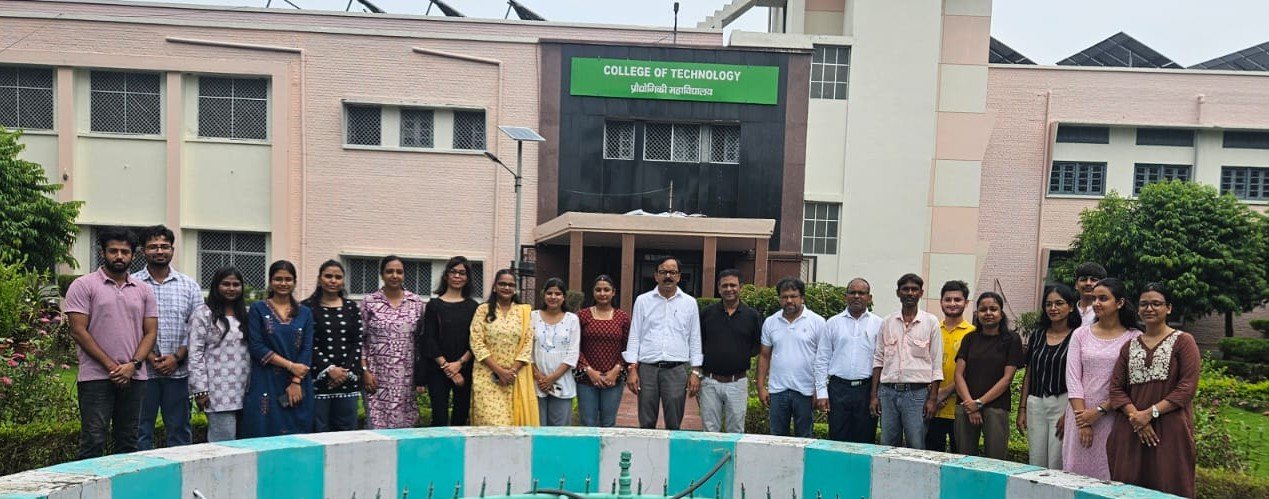
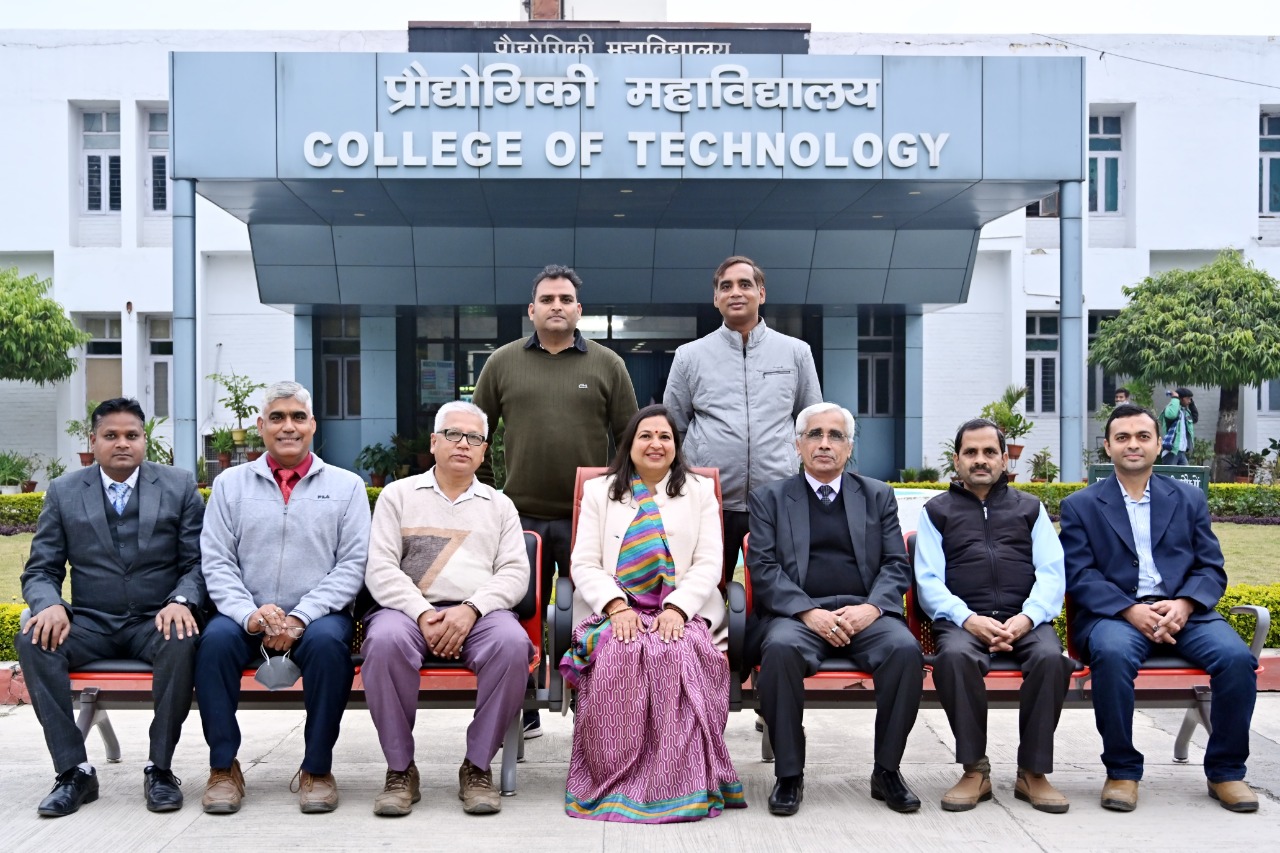
The Department of Soil & Water Conservation Engineering (SWCE) is a key academic and research unit under the College of Technology at G. B. Pant University of Agriculture and Technology. The university, established in 1960, with Agricultural Engineering forming an integral component since its inception. The College of Technology was formally established in 1962, laying the foundation for structured engineering education.Initially, disciplines related to soil and water conservation—such as hydrology, irrigation, and drainage—were taught under broader Agricultural Engineering programs. Recognizing the growing importance of sustainable natural resource management, the Department of Soil & Water Conservation Engineering was formally established in 1984 as an independent department.
The department offers M.Tech in Agricultural Engineering (Soil and Water Conservation Engineering) and Ph.D. in Soil and Water Conservation Engineering. It also contributes to undergraduate teaching, while the B.Tech Agricultural Engineering program is jointly conducted by Soil & Water Conservation Engineering, Farm Machinery & Power Engineering, Post Harvest Process & Food Engineering, and Irrigation & Drainage Engineering departments.
The Courses are as follows :
The department offers undergraduate, postgraduate and doctoral programmes.
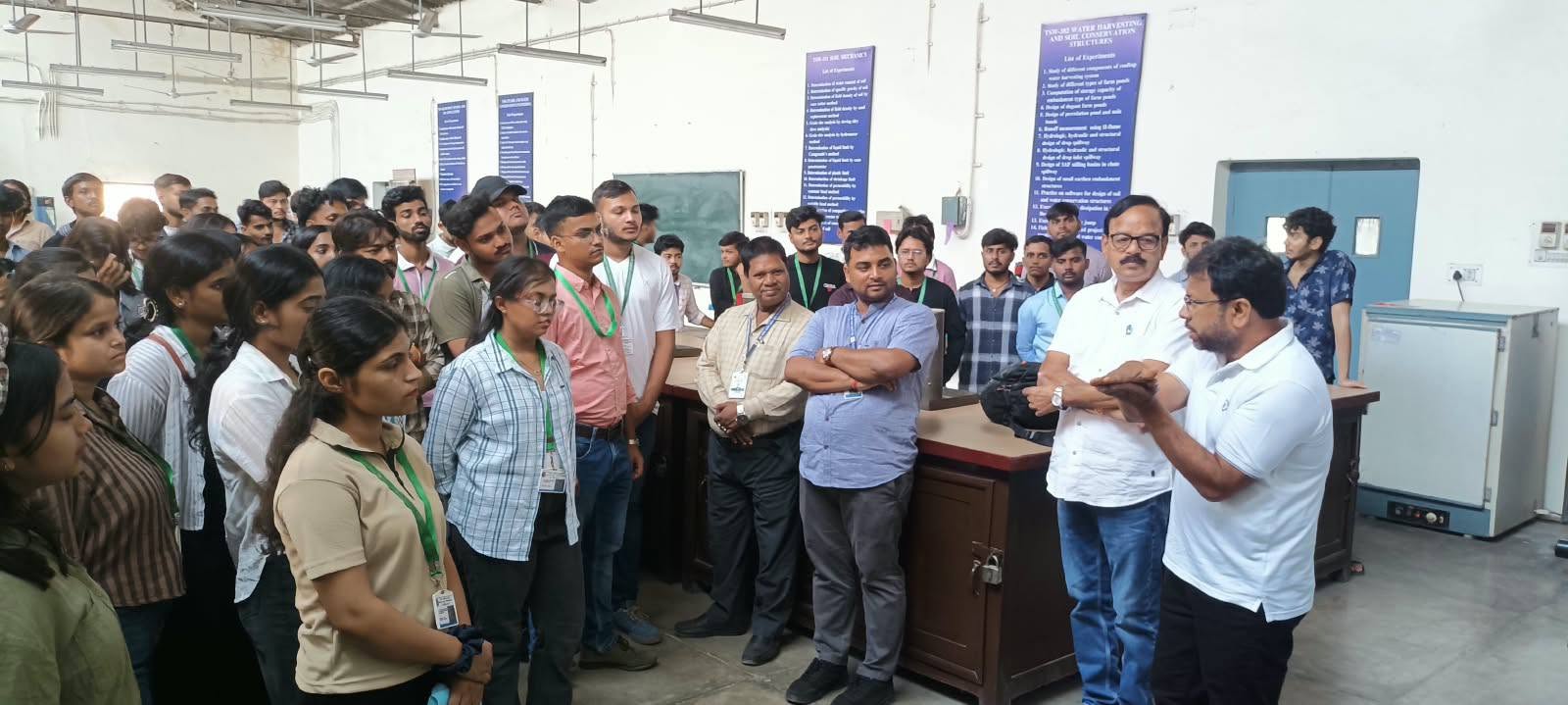
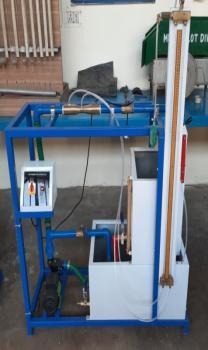
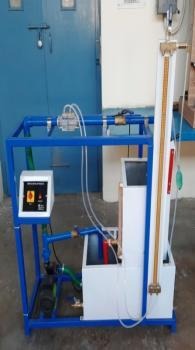
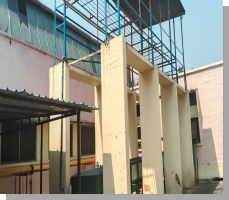
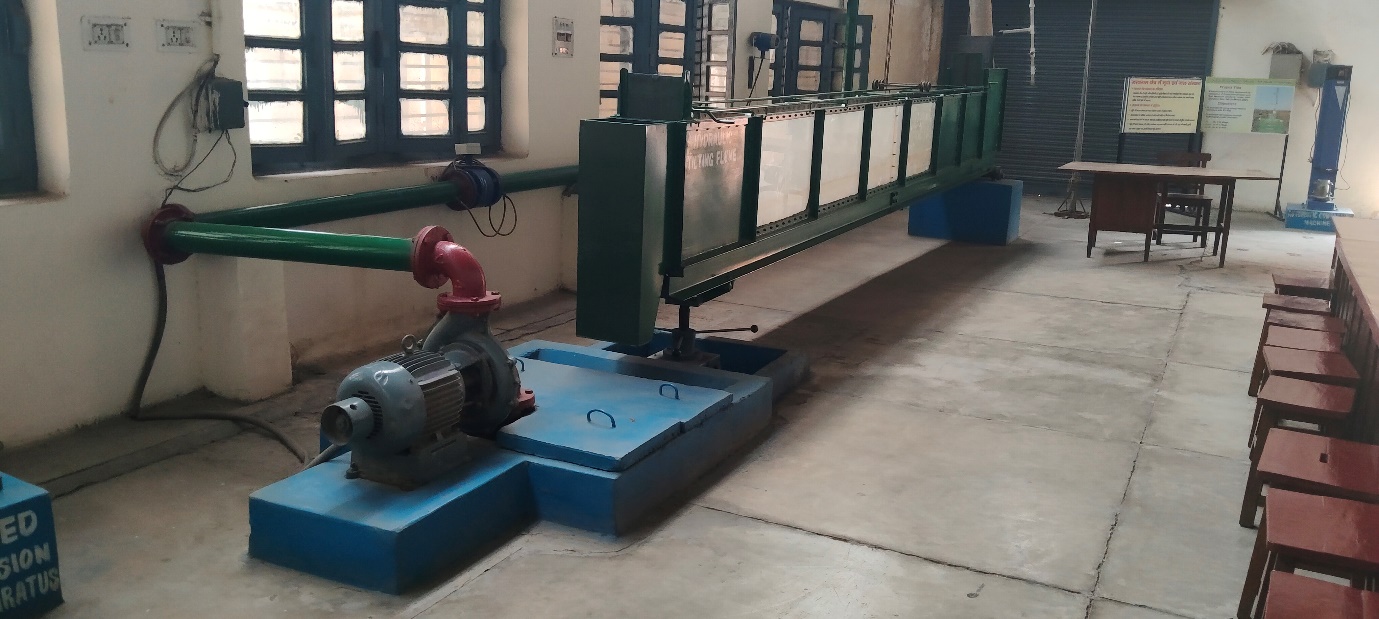
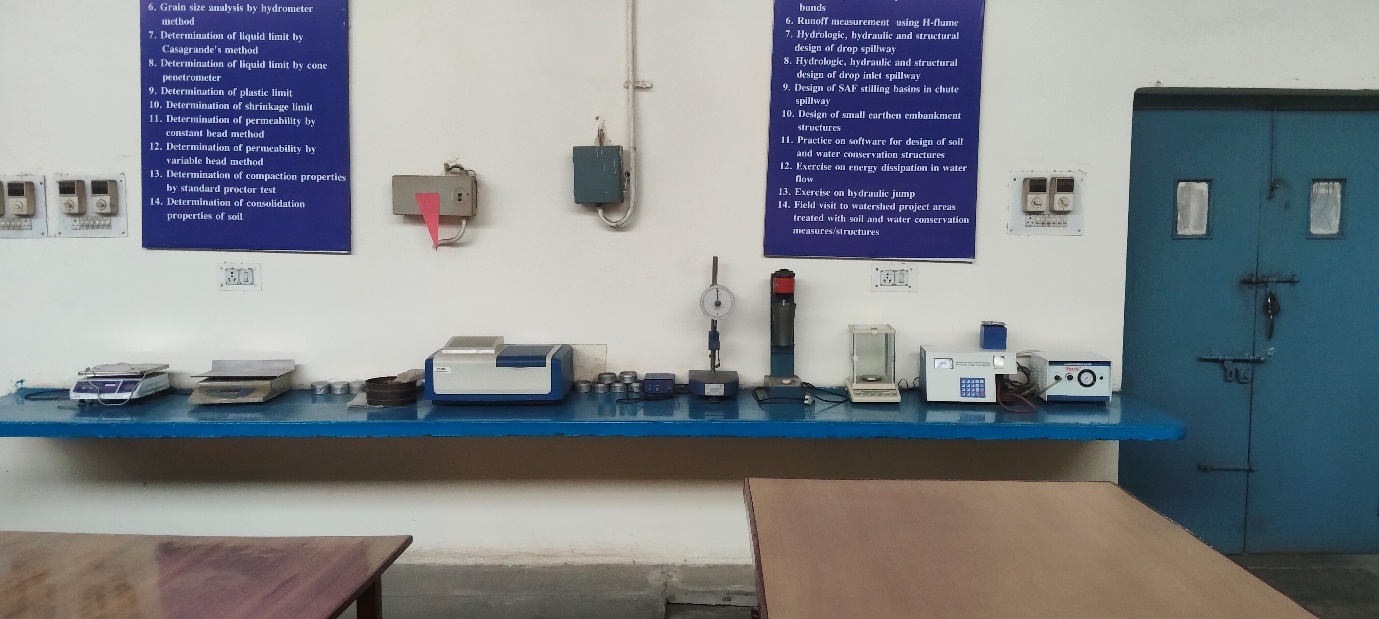
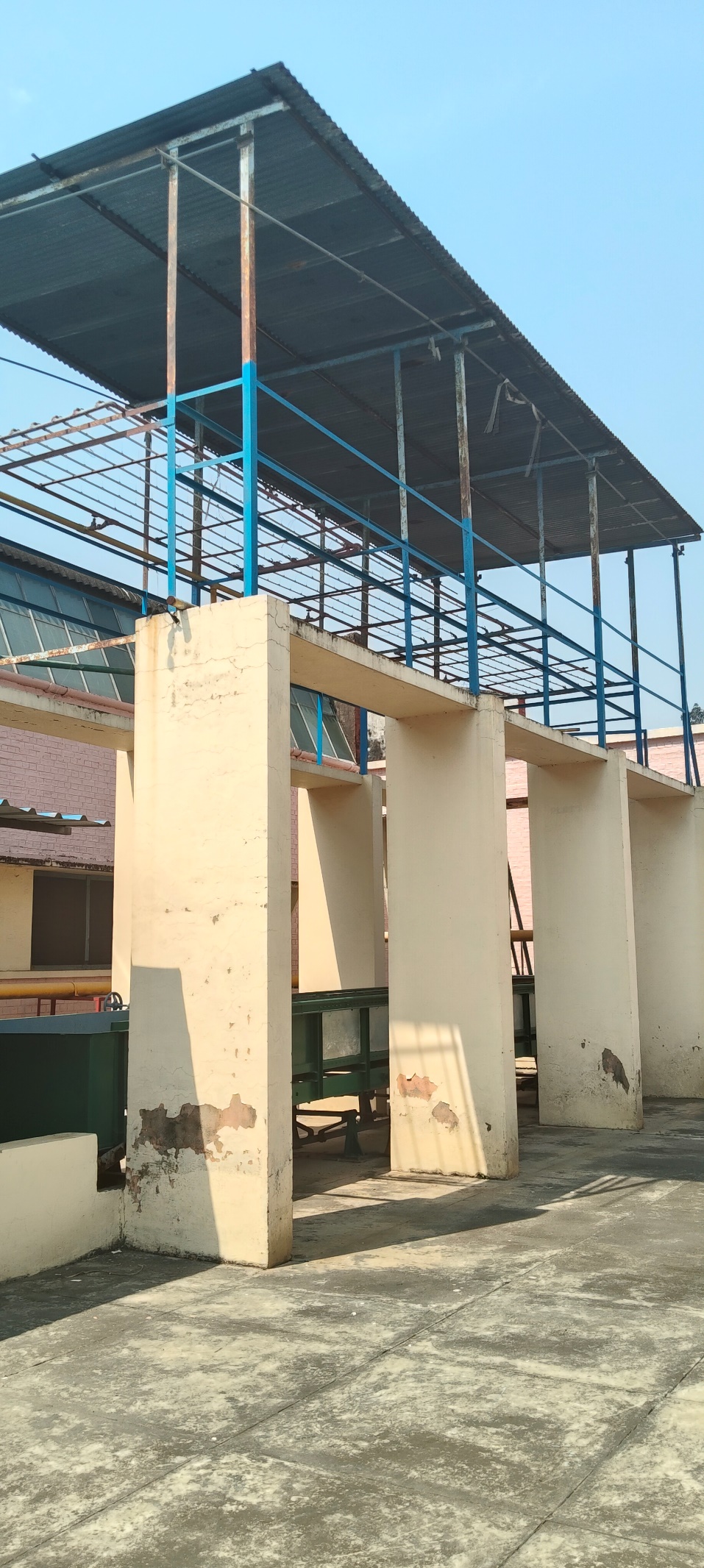
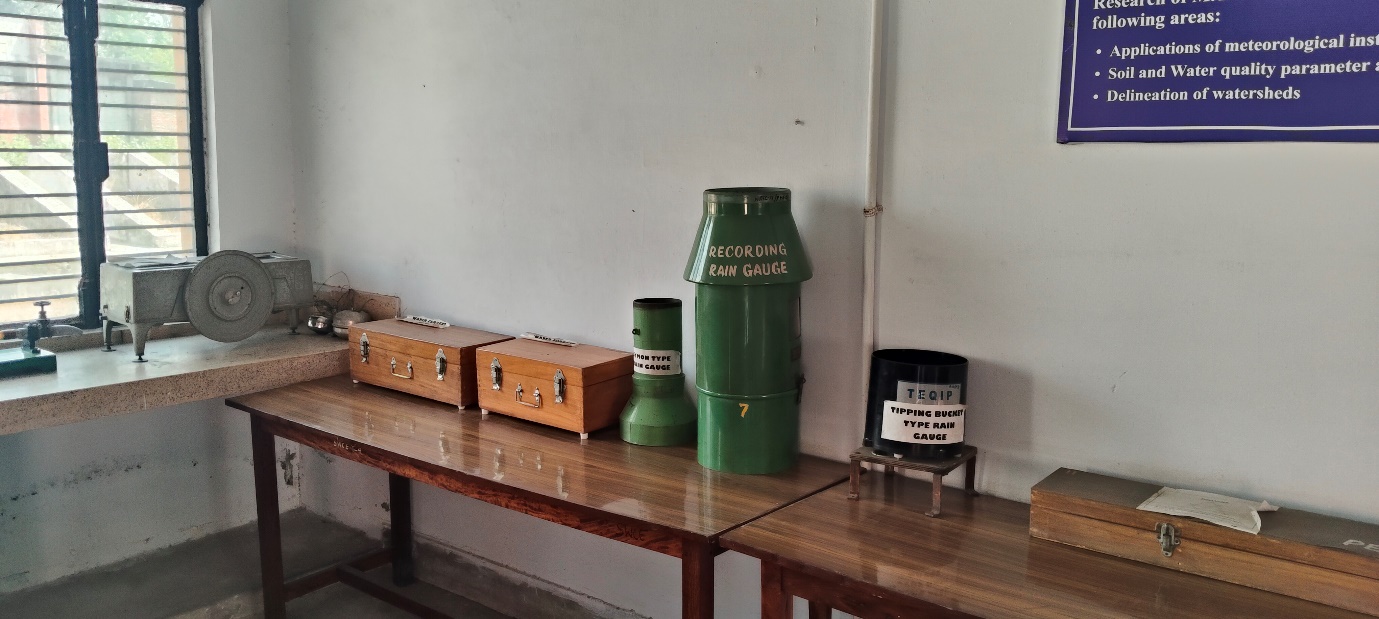
To support education and research, the department is equipped with the following laboratories:
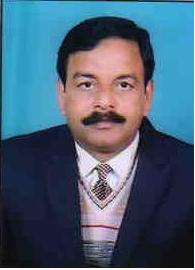
Each profile carries the faculty member's qualifications, research interests and publications.
At present, 244 students are registered in the B.Tech Agricultural Engineering programme, 11 students are enrolled in the M.Tech programme in Agricultural Engineering (Soil and Water Conservation Engineering), and 09 students are pursuing Ph.D. in Soil and Water Conservation Engineering (SWCE).
Course validation and graduation requirements are ensured as per university regulations. Students must successfully complete all prescribed courses, credits, and academic components, including examinations and project/thesis work, while meeting attendance and performance criteria. Only those fulfilling all requirements are recommended for the award of the degree.